Feeling overwhelmed by stress or sudden panic? You’re not alone. Anxiety is a normal human response, but when it starts interfering with your daily life, relationships, and well-being, it’s time to take action. This guide will walk you through proven strategies, online CBT for anxiety options, and practical steps to take control of your mental health.
Key Takeaways for Managing Anxiety
Online CBT (Cognitive Behavioral Therapy) is the most effective and accessible treatment for anxiety and panic.
Anxiety is persistent worry, while stress is a response to an external cause.
Immediate relief techniques include the 4-7-8 breathing method and the 5-4-3-2-1 grounding exercise.
Virtual therapy for panic attacks offers real-time, structured exposure and cognitive restructuring.
Professional help is recommended when anxiety is chronic, distressing, or disruptive to daily life.
Understanding Anxiety: Concise Definitions
Stress
A temporary state of mental or emotional tension resulting from demanding circumstances.
Anxiety
A persistent, excessive, and often irrational feeling of dread, worry, or nervousness.
Online CBT for Anxiety
A structured, goal-oriented virtual therapy focused on changing negative thought patterns to improve feelings and behaviors related to anxiety.
Proven Self-Help Techniques for Immediate Relief
Before exploring professional anxiety treatment options, many people find relief through simple, consistent self-help techniques. These are powerful tools you can start using right now to cope with overwhelming feelings.
1. Mindful Breathing Exercises
One of the fastest ways to interrupt a fear response is by regulating your breath.
The 4-7-8 Technique: Inhale for 4 seconds, hold for 7 seconds, and exhale for 8 seconds. This method quickly activates the body’s natural calming system.
2. The Power of Grounding
When you feel a panic attack starting or your thoughts are spiraling, grounding techniques bring your focus back to the present moment. The popular 5-4-3-2-1 Technique involves identifying sensory details in your immediate environment:
5 things you can see.
4 things you can feel.
3 things you can hear.
2 things you can smell.
1 thing you can taste.
3. Essential Lifestyle Changes
Your daily habits significantly impact your anxiety levels:
Prioritize Sleep: Aim for 7-9 hours of consistent, quality rest.
Reduce Stimulants: Limit the intake of caffeine and alcohol, as they can exacerbate anxiety symptoms.
Daily Movement: Engage in regular physical activity; it is a powerful, natural stress reliever.
When to Seek Help: Find an Anxiety Therapist Now
While self-help strategies are excellent tools, they aren’t always enough. If your anxiety is chronic, causing significant distress, or leading to panic attacks that disrupt your life, it’s time to connect with a professional. The good news is that expert help is accessible, convenient, and right at your fingertips.
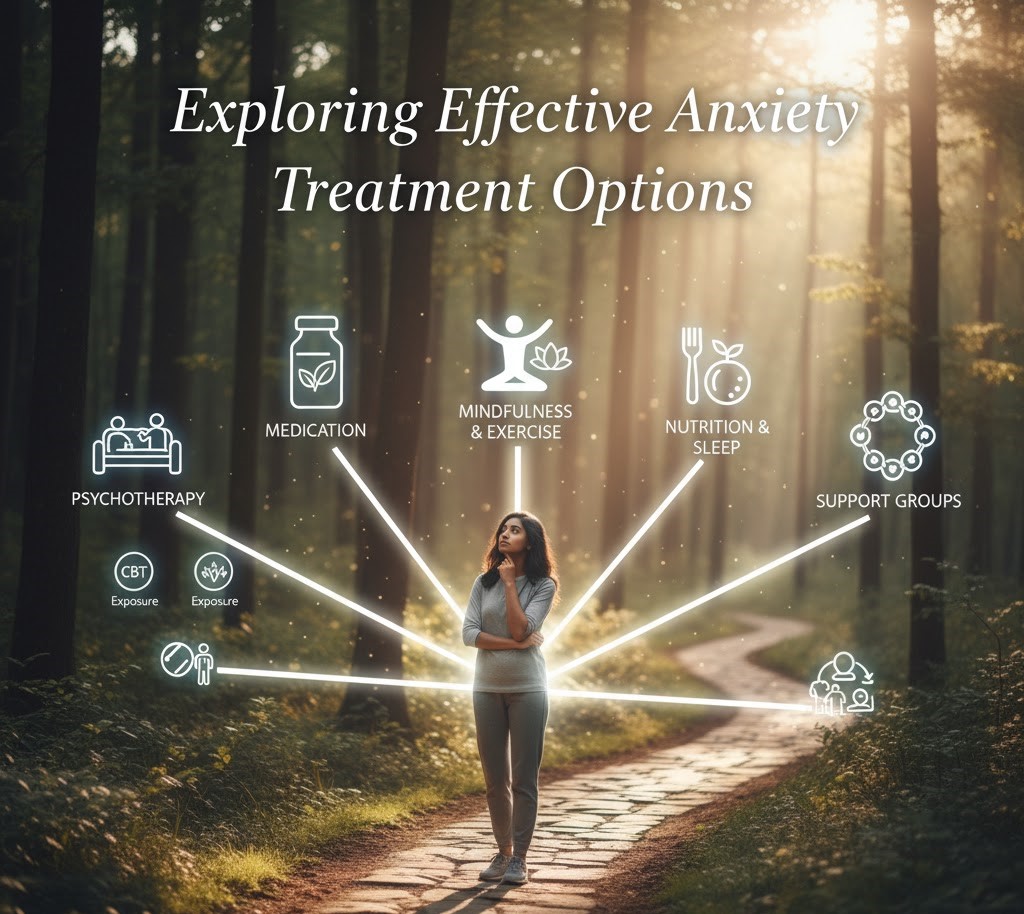
Exploring Effective Anxiety Treatment Options
When seeking professional help, research consistently shows that Cognitive Behavioral Therapy (CBT) is one of the most effective treatments for various forms of anxiety, including generalized anxiety disorder, social anxiety, and panic disorder.
Why Online CBT is Effective for Anxiety
Online CBT for anxiety provides the same proven benefits as traditional therapy with added flexibility, making it a powerful choice for modern life.
Benefit of Online CBTExplanation for Accessibility
Accessibility Receive proven care without the need for travel, enhancing consistency. Effectiveness Structured, evidence-based lessons are delivered digitally, maintaining therapeutic integrity. Focus on Skills Immediate learning of coping tools that can be applied in real-life, high-anxiety situations.
Interoceptive Exposure
Safely confronting physical symptoms in session to reduce the fear associated with them.
Cognitive Restructuring
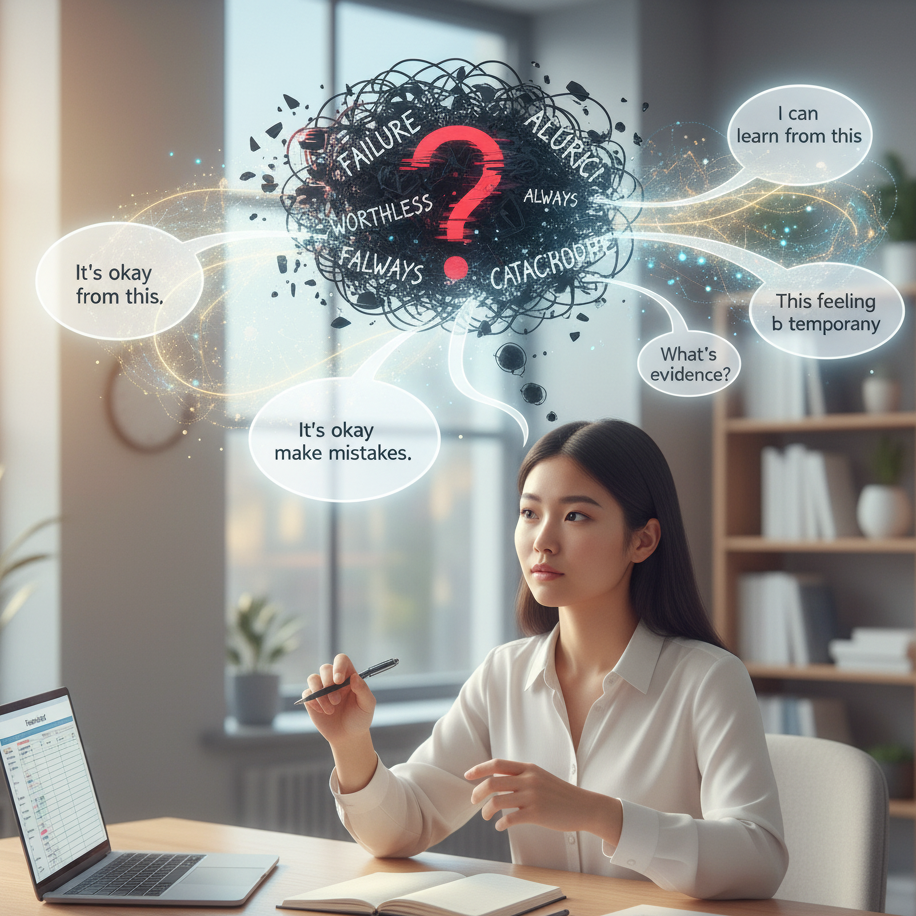
Learning to challenge and replace the fear-inducing thoughts that fuel an attack.
Connecting with an Anxiety Therapist
Ready to start your journey toward a calmer life? Finding the right therapist is crucial. Look for key qualifications
Specialization
The professional or platform must explicitly offer CBT for anxiety disorders.
Licensure
Confirm they are licensed to practice in your relevant jurisdiction.
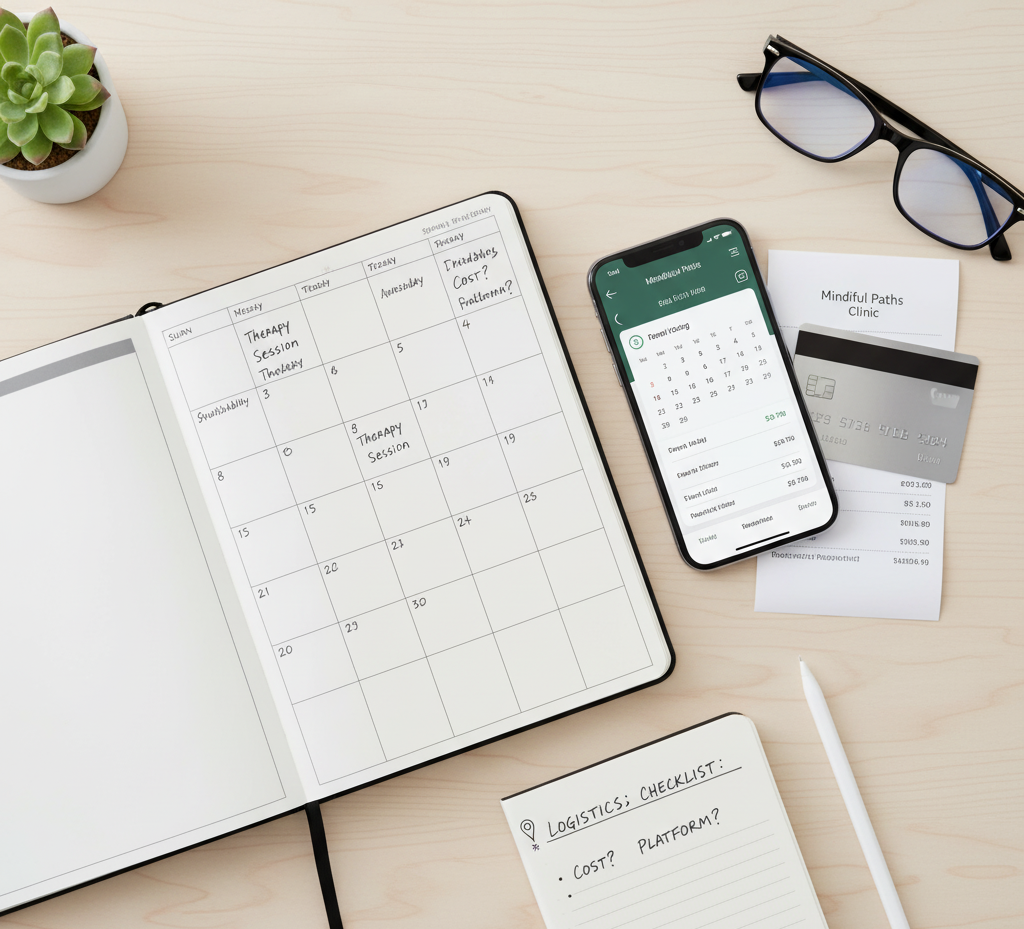
Logistics
Check fee structures and insurance compatibility.
By leveraging the power of online CBT for anxiety, you can gain the skills and support needed to reduce your stress, quiet your worries, and live a fuller life.
Are you ready?
Contact us today to schedule a consultation or to learn more about our services.