
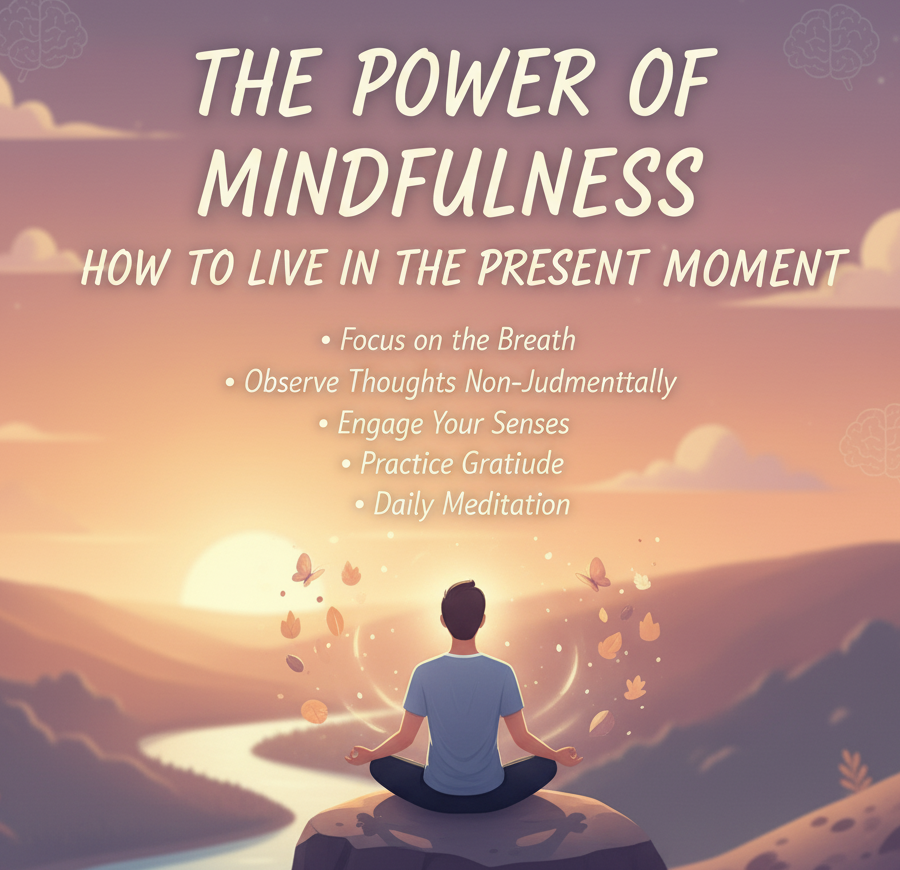
The Power of Mindfulness: How to Live in the Present Moment
Key Takeaways for Starting Your Mindfulness Journey
- Mindfulness is the non-judgmental awareness of the present moment
The three main anchors for the practice are the breath, the body, and the senses.
- Mindfulness significantly contributes to mindfulness-based stress reduction (MBSR) and anxiety relief.
Mindfulness therapy online provides structured training in modalities like MBCT and MBSR from the convenience of your home.
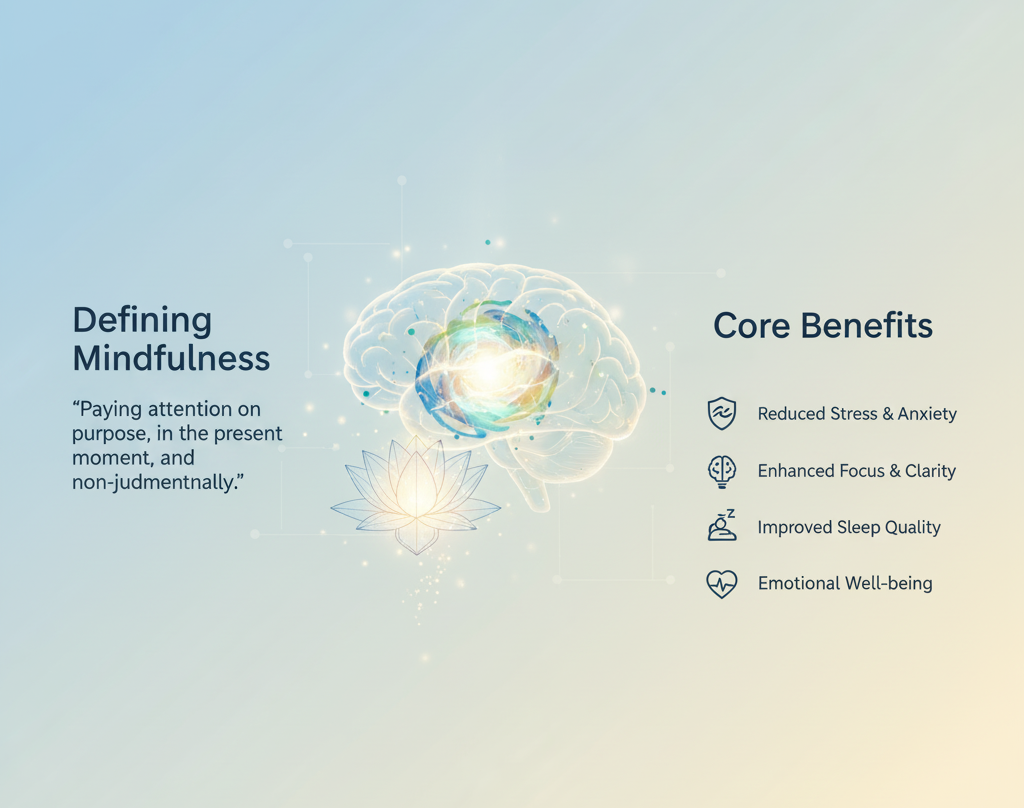
Defining Mindfulness and Its Core Benefits
What is Mindfulness?
Mindfulness is the state of actively paying attention to the thoughts, feelings, bodily sensations, and surrounding environment in the current moment, without interpreting or reacting to them.
Scientifically Proven Benefits of Mindfulness
Integrating mindfulness into your daily life—whether through practice or mindfulness therapy online—yields measurable improvements in mental and physical health:
| Benefit Category | Impact of Consistent Mindfulness Practice |
|---|---|
|
Stress & Anxiety |
Significant reduction in general anxiety and stress levels (the goal of mindfulness-based stress reduction). |
|
Cognition |
Increased focus, improved memory, and enhanced emotional regulation. |
|
Physical Health |
Lowered blood pressure, improved sleep quality, and reduced chronic pain severity. |
Practical Mindfulness Techniques You Can Use Today
Mindfulness doesn’t require a special cushion or quiet room; it can be integrated into any part of your day. These three techniques are excellent starting points:
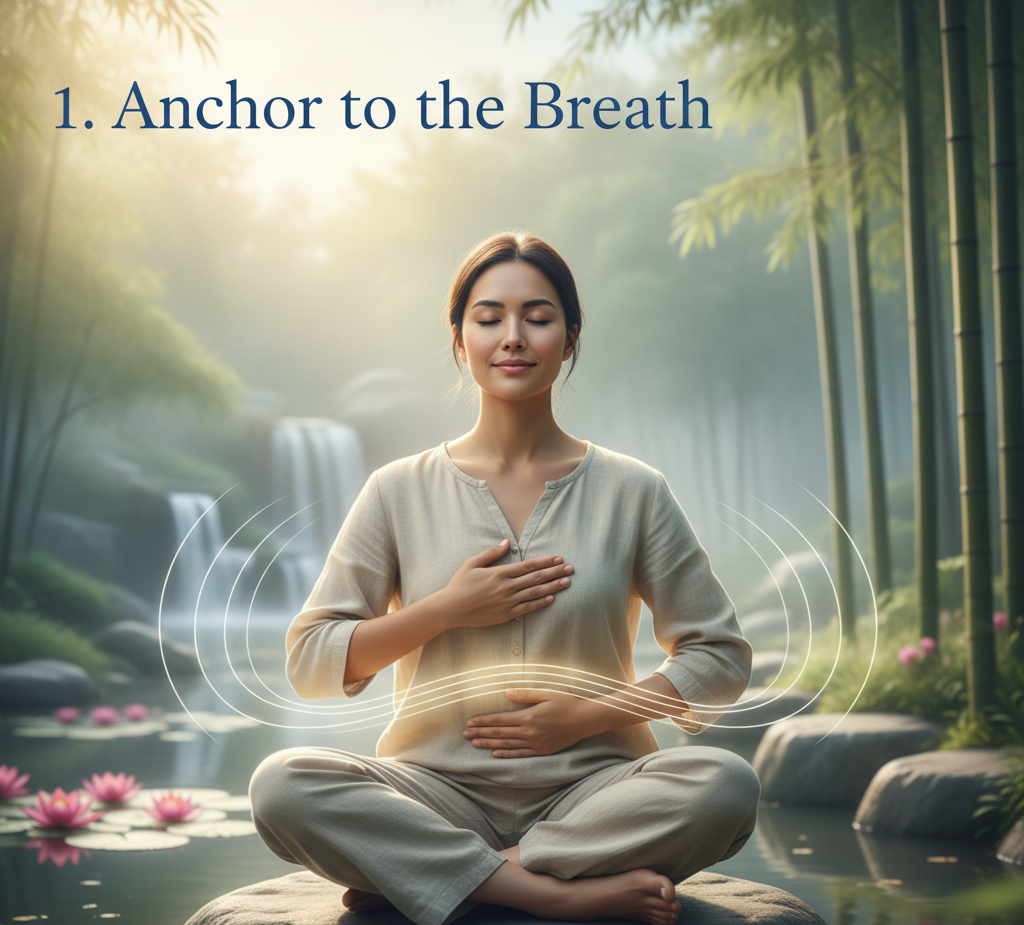
1. Anchor to the Breath
The breath is your constant, always-present anchor to the current moment.
Practice: Find a comfortable seat. Close your eyes or soften your gaze. Place one hand on your belly. Simply observe the natural cycle of your breath—the coolness on the inhale, the warmth on the exhale, and the rise and fall of your belly. Whenever your mind wanders (which it will!), gently redirect your attention back to the physical sensation of the breath.
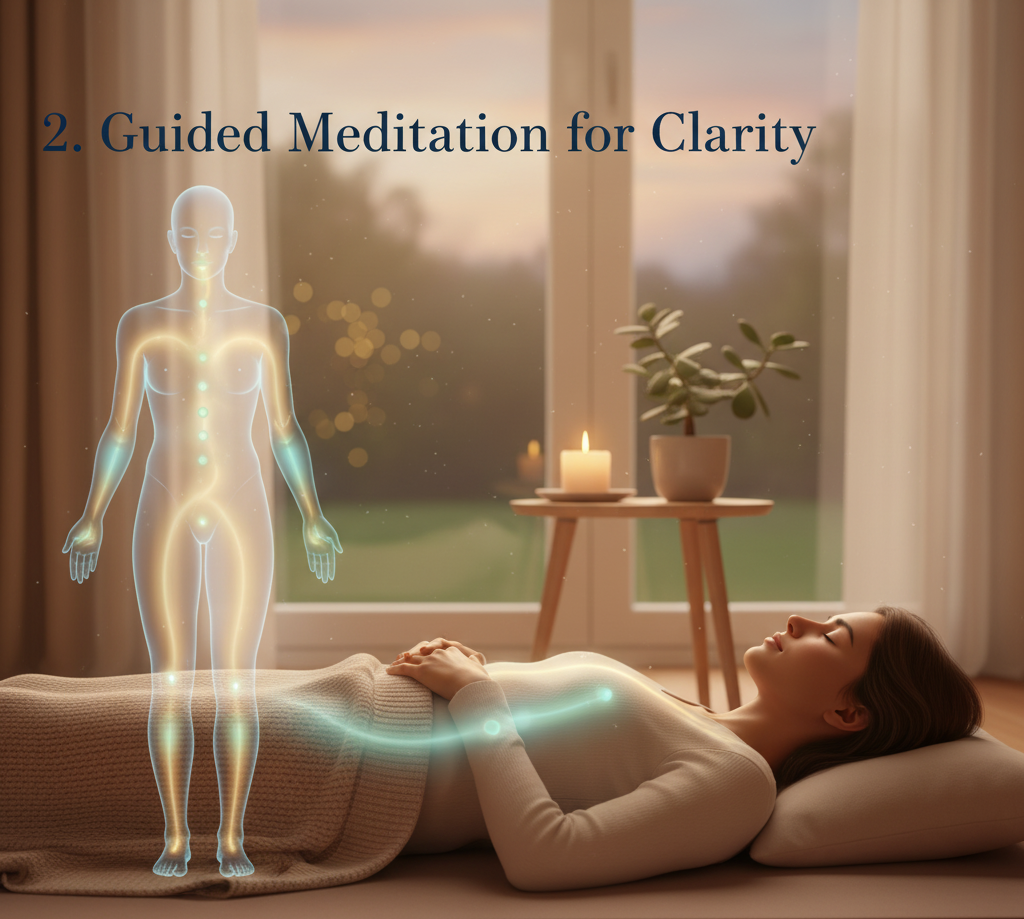
2. Guided Meditation for Clarity
Using a guided meditation for clarity is a perfect way to begin. A guide’s voice keeps your focus gently anchored when distractions arise.
Focus: Look for guided meditations that focus on a ‘Body Scan’ to bring non-judgmental awareness to different parts of your body, releasing tension you might not even realize you were holding. This technique is core to mindfulness-based stress reduction.
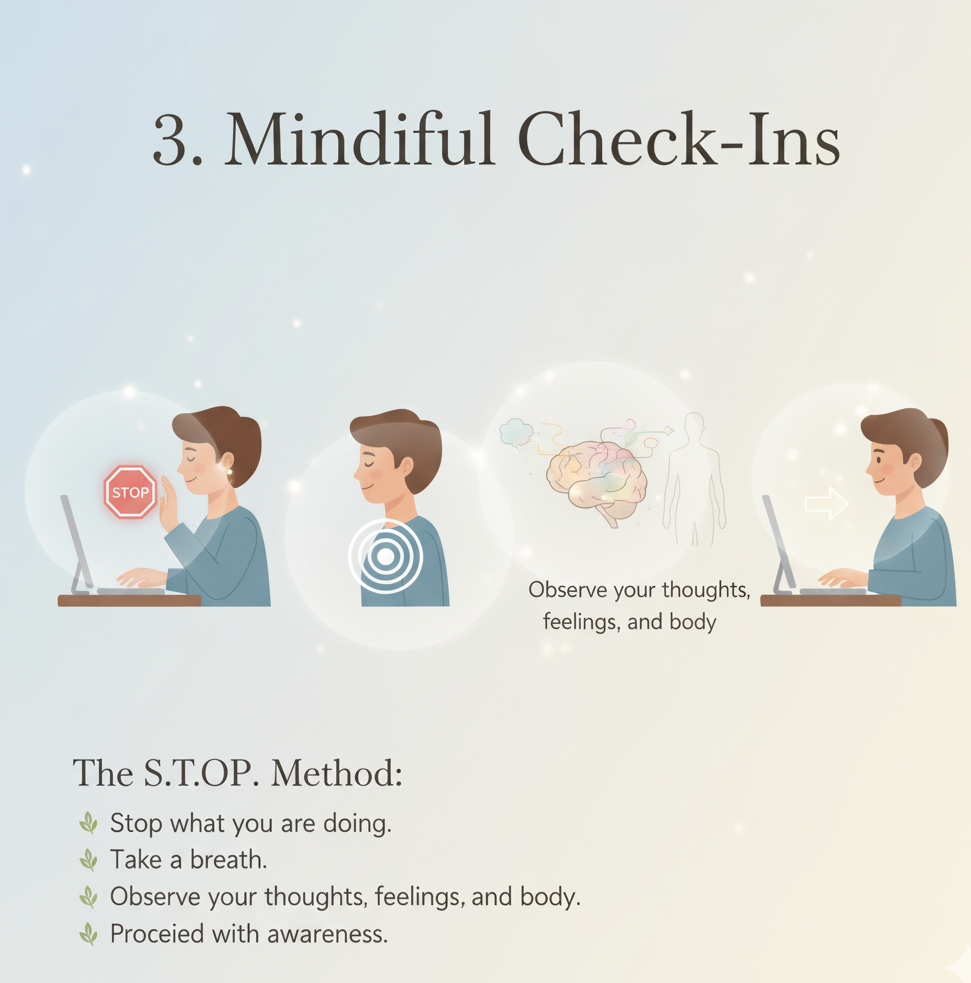
3. Mindful Check-Ins
A simple, quick practice you can do several times a day.
The S.T.O.P. Method:
Stop what you are doing.
Take a breath.
Observe your thoughts, feelings, and body.
Proceed with awareness.
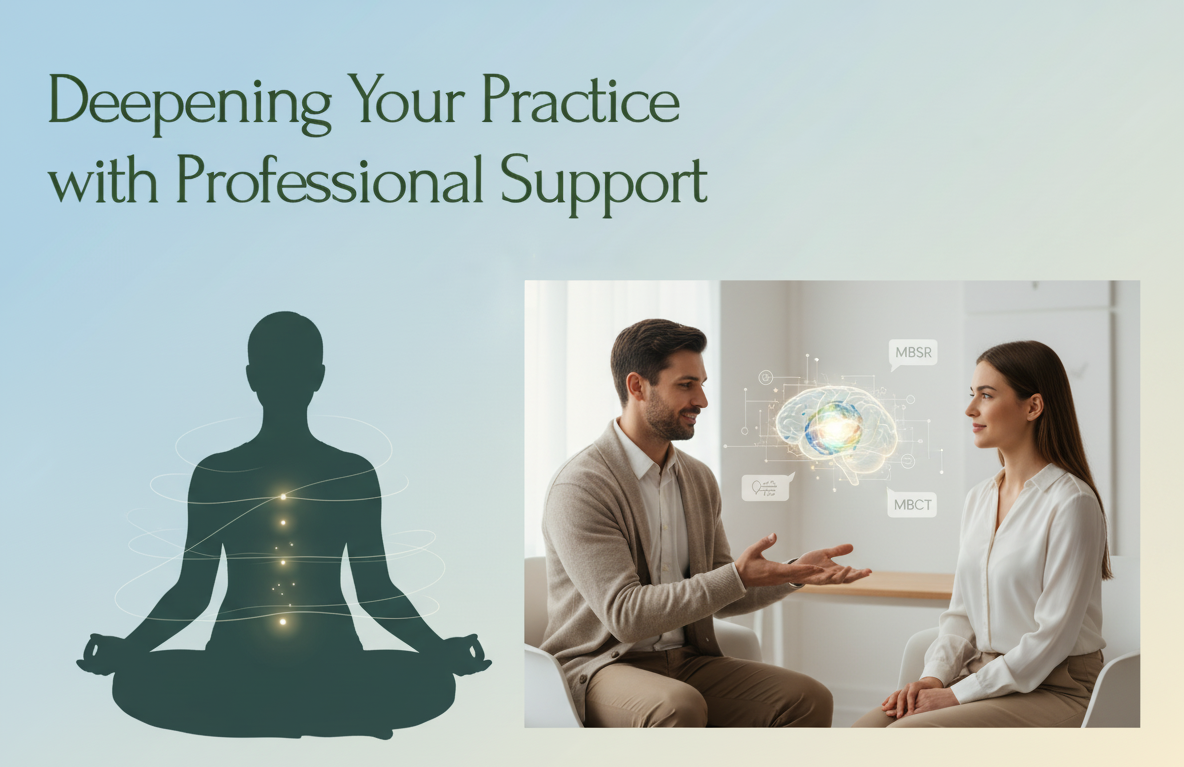
Deepening Your Practice with Professional Support
Mindfulness Therapy Online: Structured Learning
Mindfulness doesn’t require a special cushion or quiet room; it can be integrated into any part of your day. These three techniques are excellent starting points:
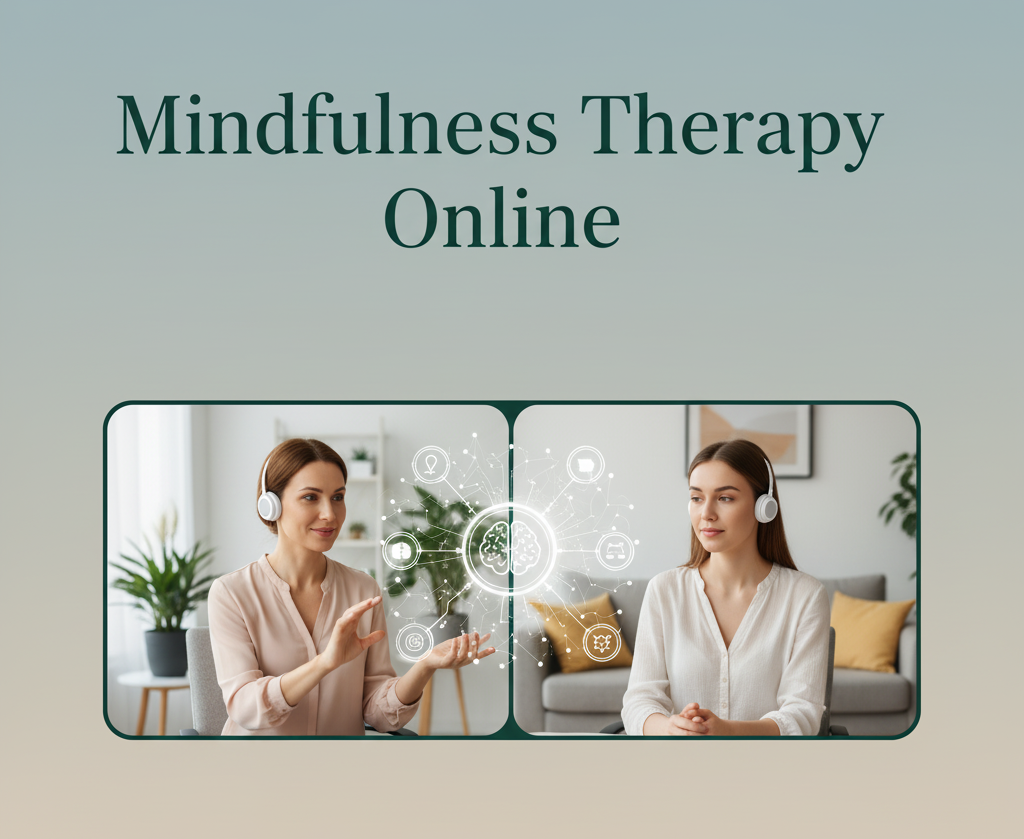
Mindfulness therapy online is not just meditation instruction; it is a structured, evidence-based approach delivered virtually by a licensed professional. It integrates traditional therapy methods with mindfulness practices to help you fundamentally change your relationship with stressful or negative thoughts.
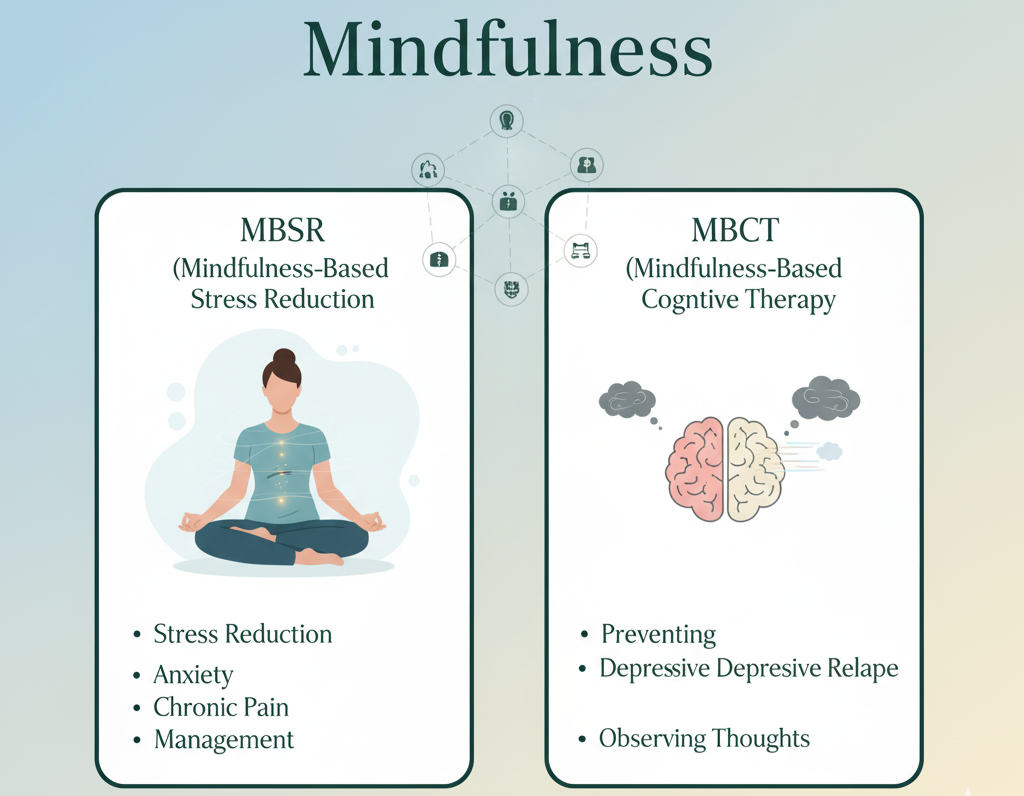
Modalities that Utilize Mindfulness
MBSR (Mindfulness-Based Stress Reduction): A clinical program focused on using intensive mindfulness to manage stress, anxiety, and chronic pain.
MBCT (Mindfulness-Based Cognitive Therapy): Specifically designed to prevent depressive relapse by teaching patients to see negative thought patterns as passing events rather than factual representations of reality.

Take the Next Step: Find a Therapist Trained in MBCT/MBSR.
Who Benefits Most from Mindfulness Therapy Online?
If you resonate with the following experiences, dedicated training through mindfulness therapy online may be the most effective path forward:
Repetitive Ruminating: You struggle to break cycles of worrying about the future or dwelling on the past.
Chronic Stress/Anxiety: You need more systematic tools than general meditation to manage daily overwhelming feelings.
Preventing Relapse: You have a history of depression and want proactive, proven strategies to maintain long-term mental health.
Embracing mindfulness is a commitment to living fully and authentically. By integrating these techniques or seeking professional guidance, you are actively choosing clarity, peace, and resilience in the present moment.