
Understanding and Improving Your Sleep: The Foundation of Mental Health
Sleep isn’t just a time for rest; it’s the period when your brain cleans, consolidates memories, and regulates the hormones essential for mood and energy. When sleep is poor, every aspect of mental and physical health suffers. If you struggle to fall asleep, stay asleep, or feel rested, you need more than just general advice. This guide will walk you through essential sleep hygiene counseling techniques and introduce the gold standard for insomnia treatment: CBT-I online therapy.
Key Takeaways for Better Sleep
1. Sleep is foundational to mental health, directly impacting mood, focus, and emotional regulation.
2. CBT-I (Cognitive Behavioral Therapy for Insomnia) is the most effective, drug-free treatment for chronic insomnia.
3. Excellent sleep hygiene counseling involves strict consistency and environmental control.
4. Insomnia therapy online makes specialized treatment like CBT-I accessible from your home.
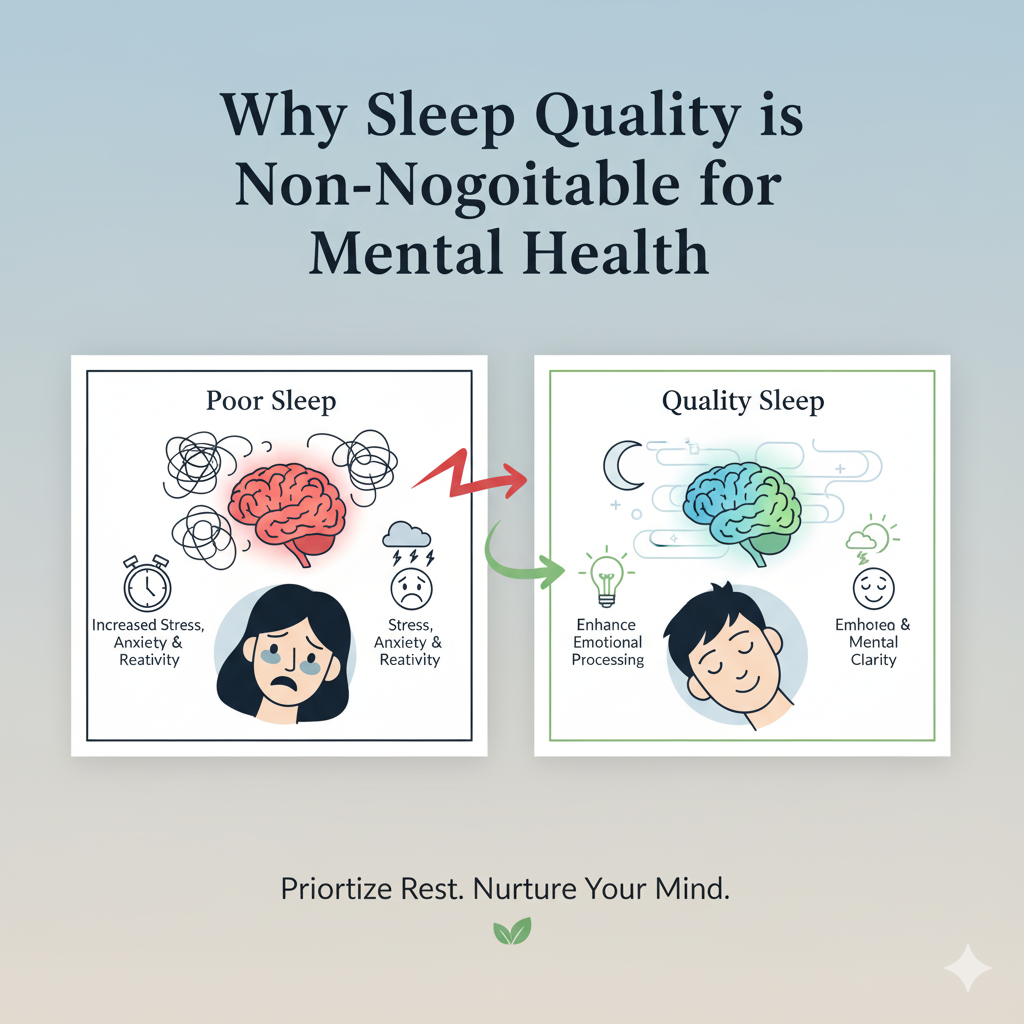
Why Sleep Quality is Non-Negotiable for Mental Health
The Link Between Sleep and Mental Health
Poor or insufficient sleep directly exacerbates symptoms of depression, anxiety, and stress. During deep sleep, the brain processes emotional information, and without it, you are less resilient and more reactive to daily stressors.
Chronic sleep issues, or insomnia, are often both a symptom and a driver of mental health struggles. Focusing on the root cause of poor sleep is one of the most powerful things you can do to support your overall well-being.
Mastering Sleep Hygiene: The Basics of Sleep Environment
Sleep hygiene counseling focuses on behaviors and environmental factors that you can control to promote consistent sleep. While these practices are critical, they often aren’t enough for chronic insomnia, but they are a necessary starting point.
| Focus Area | Essential Sleep Hygiene Practices | Why It Works |
|---|---|---|
|
Consistency |
Go to bed and wake up at the exact same time every day, even on weekends. |
This regulates your circadian rhythm (your body’s internal clock). |
|
Environment |
Keep the bedroom dark, cool (around 65
∘
F), and quiet. |
Your body’s core temperature needs to drop slightly to initiate and maintain sleep.
|
|
Stimulants |
Avoid caffeine (including chocolate) and heavy meals close to bedtime. |
These interfere with your body’s natural ability to slow down and relax. |
|
Electronics |
Stop using screens (phone, tablet, TV) at least 60 minutes before bed. |
Blue light suppresses melatonin, the hormone that tells your body it’s time to sleep. |
The Gold Standard: CBT-I Online Therapy
If you’ve diligently practiced good sleep hygiene for weeks and still struggle with chronic insomnia, it’s time to consider CBT-I (Cognitive Behavioral Therapy for Insomnia). This is not generic therapy; it is a highly structured, short-term treatment specifically designed to address the thoughts and behaviors that prevent sleep.
Why Choose Insomnia Therapy Online (CBT-I)?
CBT-I works by addressing the learned aspects of insomnia—specifically, the anxiety and frustration associated with not being able to sleep. CBT-I online therapy is highly effective because:
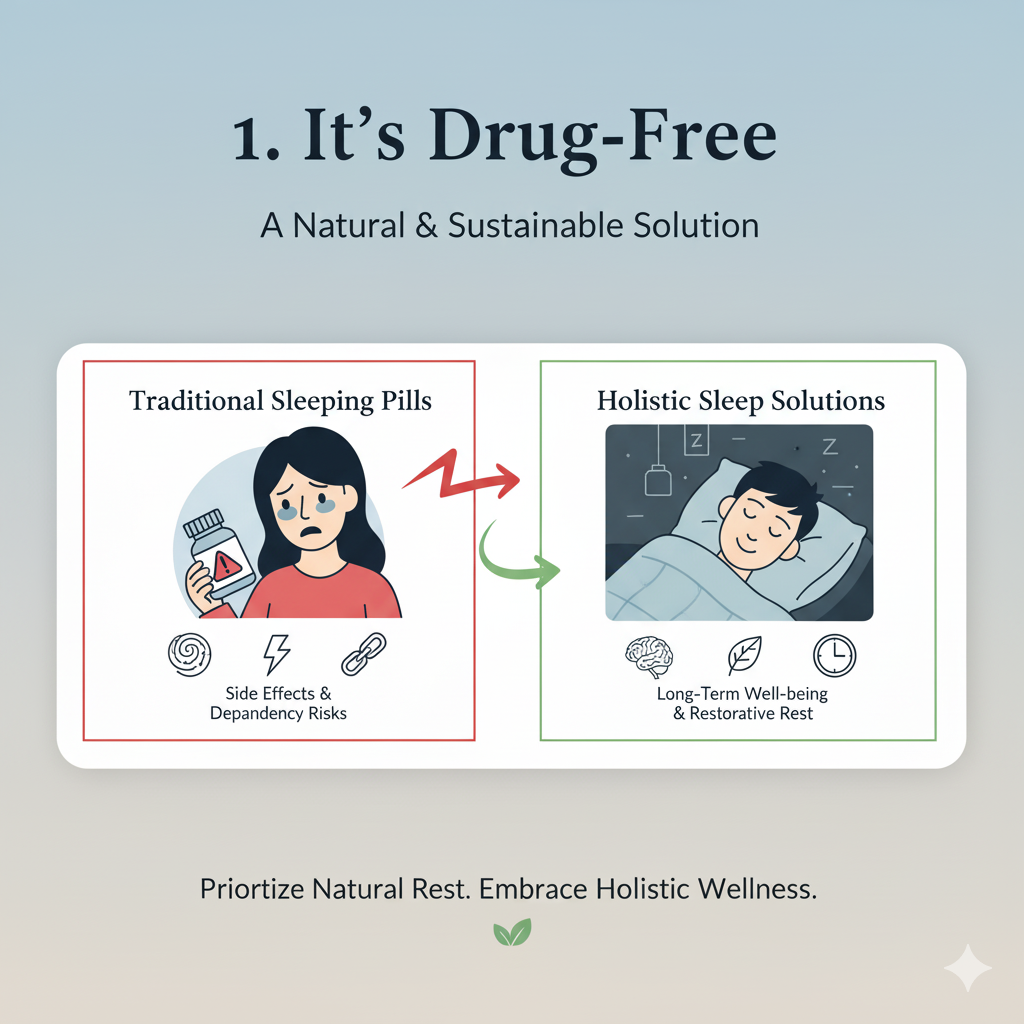
1. It's Drug-Free
It offers a long-term solution without the side effects or dependency risks of sleeping pills.
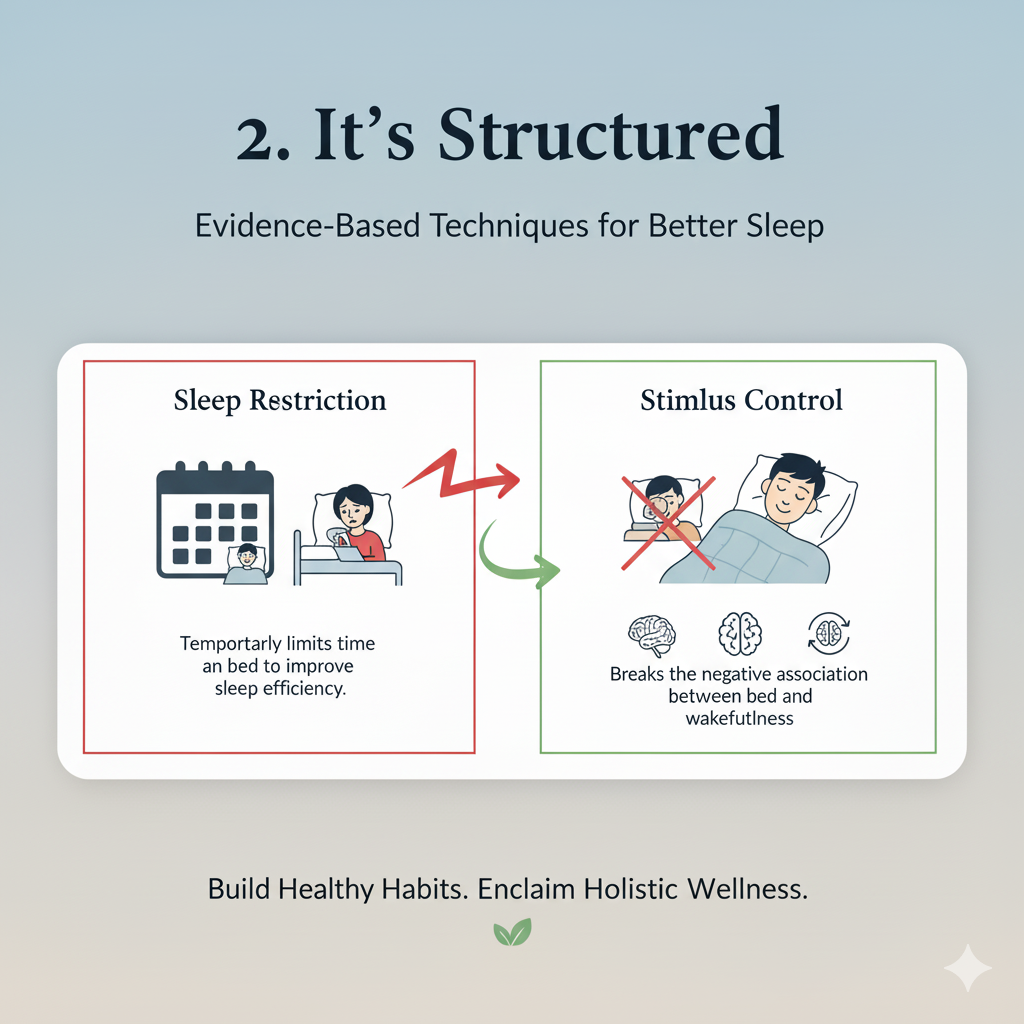
2. It's Structured
It includes techniques like Sleep Restriction (temporarily limiting time in bed) and Stimulus Control (breaking the negative association between your bed and wakefulness).
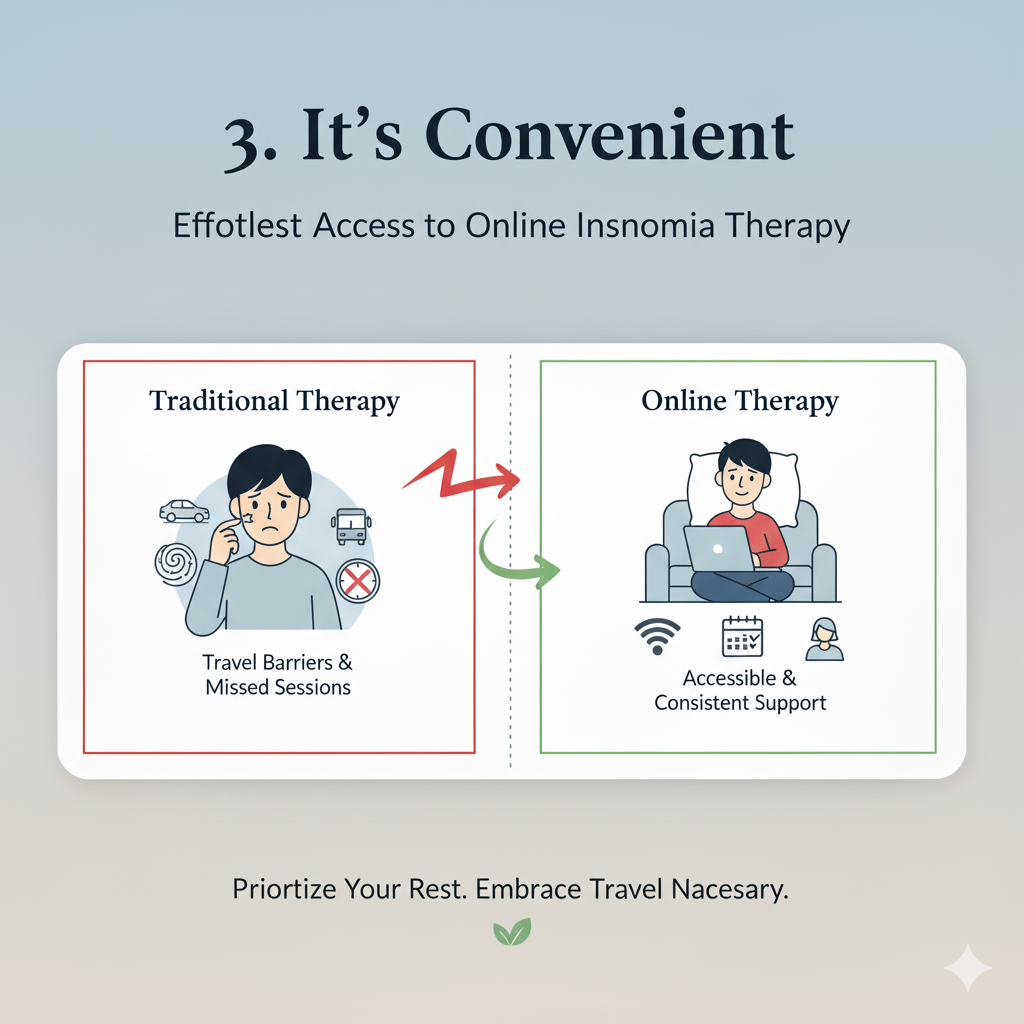
3. It's Convenient
Getting specialized insomnia therapy online removes the barrier of travel, allowing you to easily maintain the necessary weekly consistency.
A trained sleep specialist will systematically retrain your brain to associate your bed with immediate sleep, not worry or wakefulness.

Struggling with Insomnia? Try CBT-I: Connect with a Sleep Specialist Now.
What to Expect in Sleep Hygiene Counseling and CBT-I
When you enroll in CBT-I online therapy, the process involves:
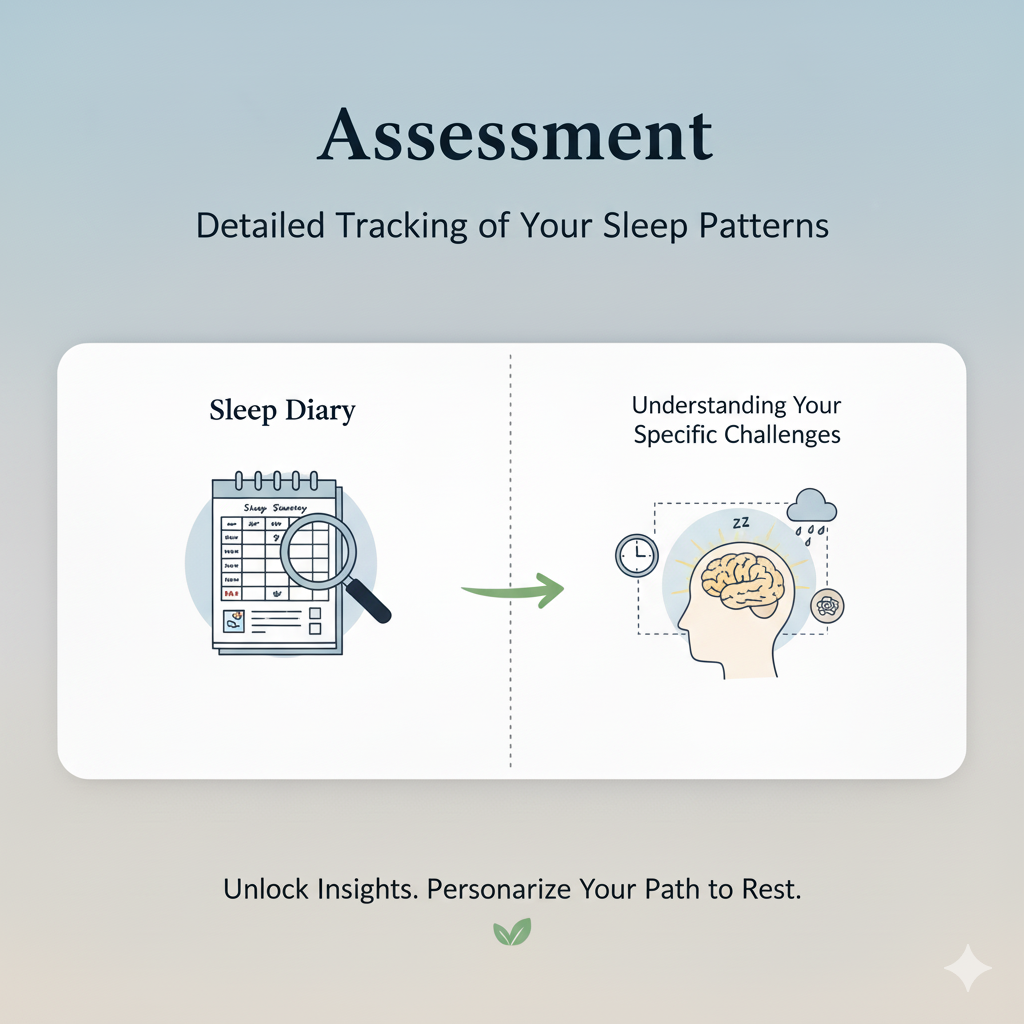
- Assessment: Detailed tracking of your sleep patterns (sleep diary) to understand your specific challenges.

Education: Learning about the science of sleep and how your unique physiology works.
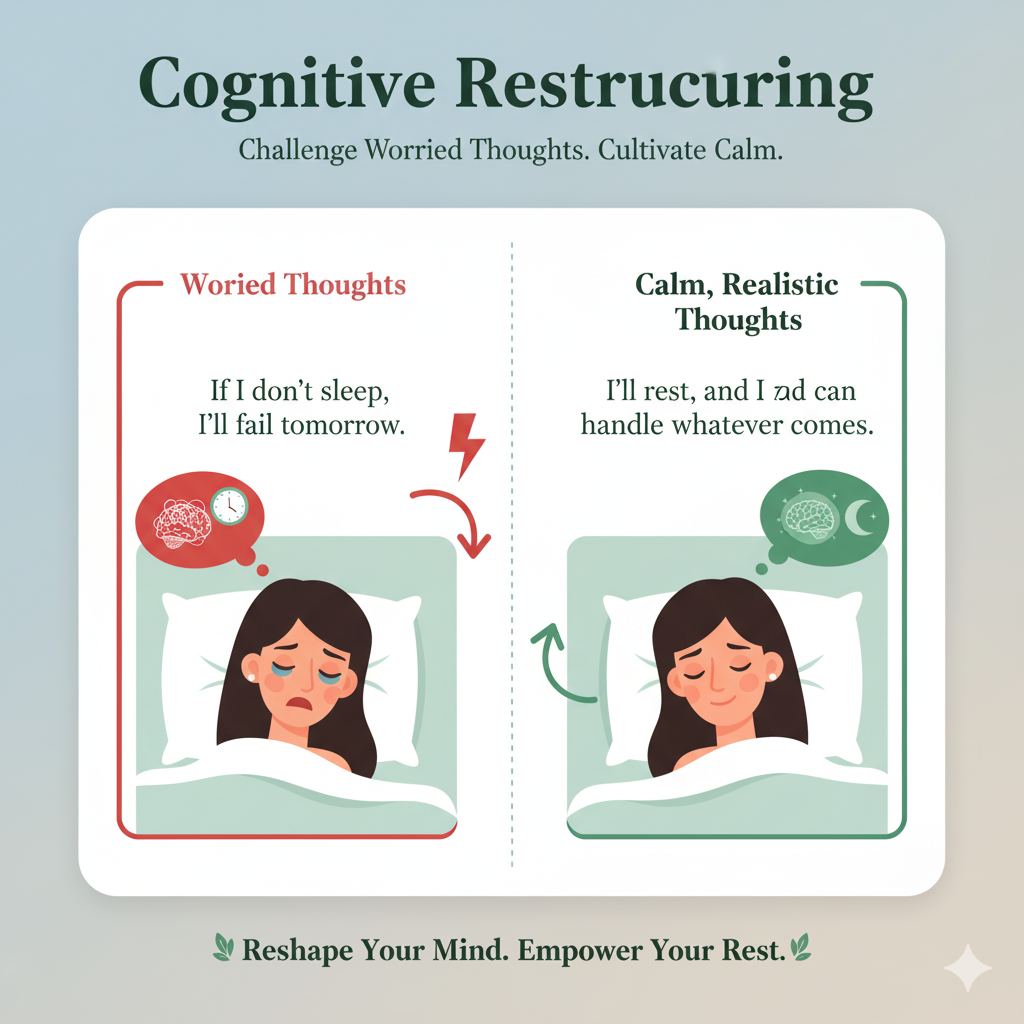
Cognitive Restructuring: Challenging worried thoughts like, “If I don’t sleep, I’ll fail tomorrow,” and replacing them with calming, realistic thoughts.
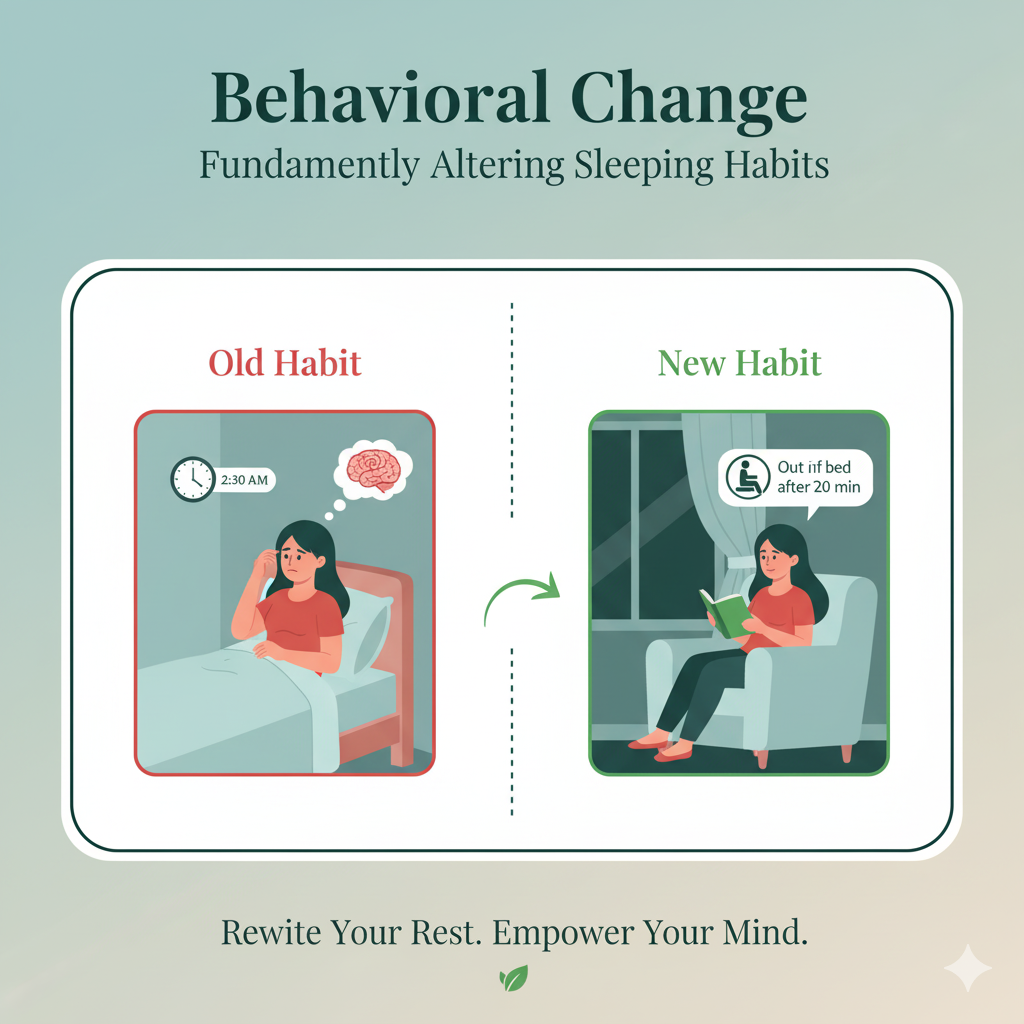
- Behavioral Change: Implementing strict rules (like getting out of bed after 20 minutes of wakefulness) to fundamentally alter your sleeping habits.
Investing in CBT-I online therapy is the best step you can take toward establishing a foundation of restorative sleep, leading to profound improvements in your energy, mood, and overall mental health.