
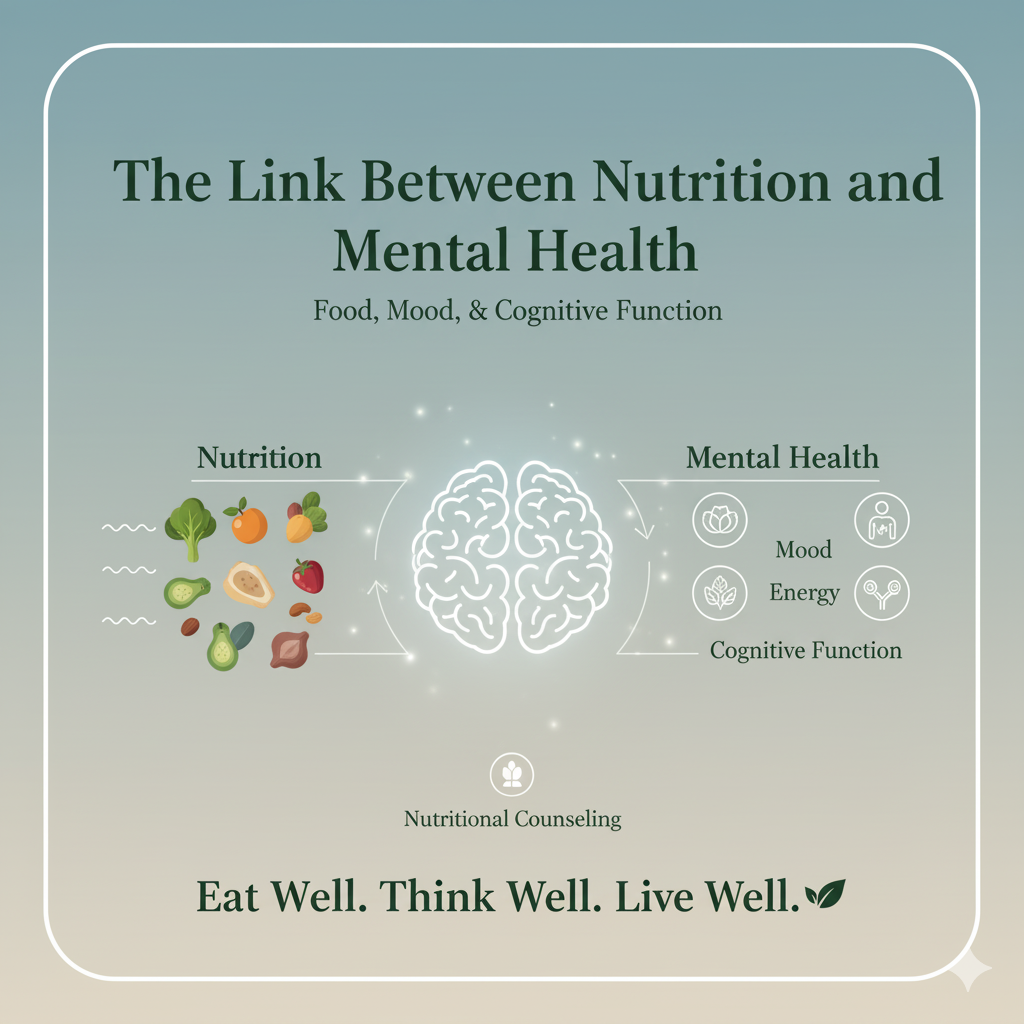
The Link Between Nutrition and Mental Health
What you eat doesn’t just affect your waistline; it profoundly influences your mood, energy levels, and cognitive function. The connection between diet and the brain is so strong that food is now recognized as a foundational pillar of mental well-being. This guide explores the powerful link between what’s on your plate and how you feel, offering actionable insights and resources for nutritional counseling for mental health to help you optimize your diet for a better mood.
Key Takeaways on Diet and Mood
1. The Gut-Brain Axis is a bidirectional communication highway between the digestive system and the brain.
2. Specific nutrients (like Omega-3s and B vitamins) are essential for neurotransmitter production.
3. Optimizing your diet can significantly reduce symptoms of anxiety and depression.
4. Nutritional counseling for mental health provides a safe, personalized plan from a dietitian for depression and anxiety.
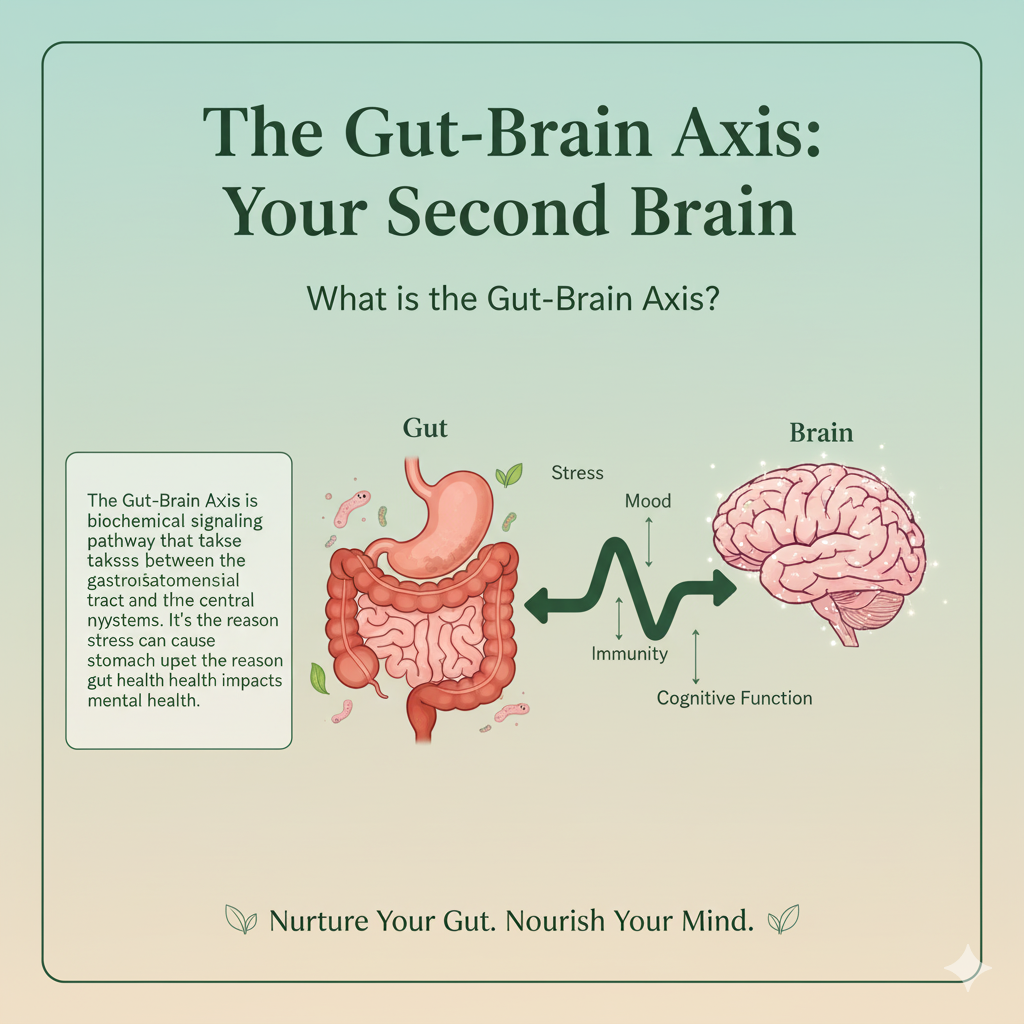
The Gut-Brain Axis: Your Second Brain
What is the Gut-Brain Axis?
The Gut-Brain Axis is the biochemical signaling pathway that takes place between the gastrointestinal tract and the central nervous system. It’s the reason stress can cause stomach upset and the reason gut health impacts mental health.
Your gut is home to trillions of microbes (the gut microbiome), and these organisms communicate directly with your brain via the vagus nerve and the production of neurotransmitters. In fact, over 90% of your body’s serotonin (a key neurotransmitter for regulating mood) is produced in the gut. This highlights the critical link between mental health and gut health.
Key Nutritional Components for Mental Resilience
| Nutrient Type | Why It Matters for Mood | Food Sources to Prioritize |
|---|---|---|
|
Omega-3 Fatty Acids |
Essential for brain cell structure and reducing inflammation, which is linked to depression. |
Fatty fish (salmon, mackerel), flaxseeds, walnuts. |
|
B Vitamins (especially B9/Folate and B12) |
Necessary for the synthesis of neurotransmitters (like dopamine and serotonin). |
Leafy green vegetables, beans, eggs, lean meats. |
|
Complex Carbohydrates |
Provide a slow, steady release of glucose (the brain’s primary fuel source). |
Whole grains, vegetables, and beans. |
|
Probiotics & Prebiotics |
Support a healthy gut microbiome, directly improving mental health and gut health. |
Yogurt, kefir, sauerkraut, garlic, onions, bananas. |
Practical Dietary Steps for Better Mood
Improving your diet for mental health and gut health doesn’t require a radical overhaul. Start with these simple, actionable steps
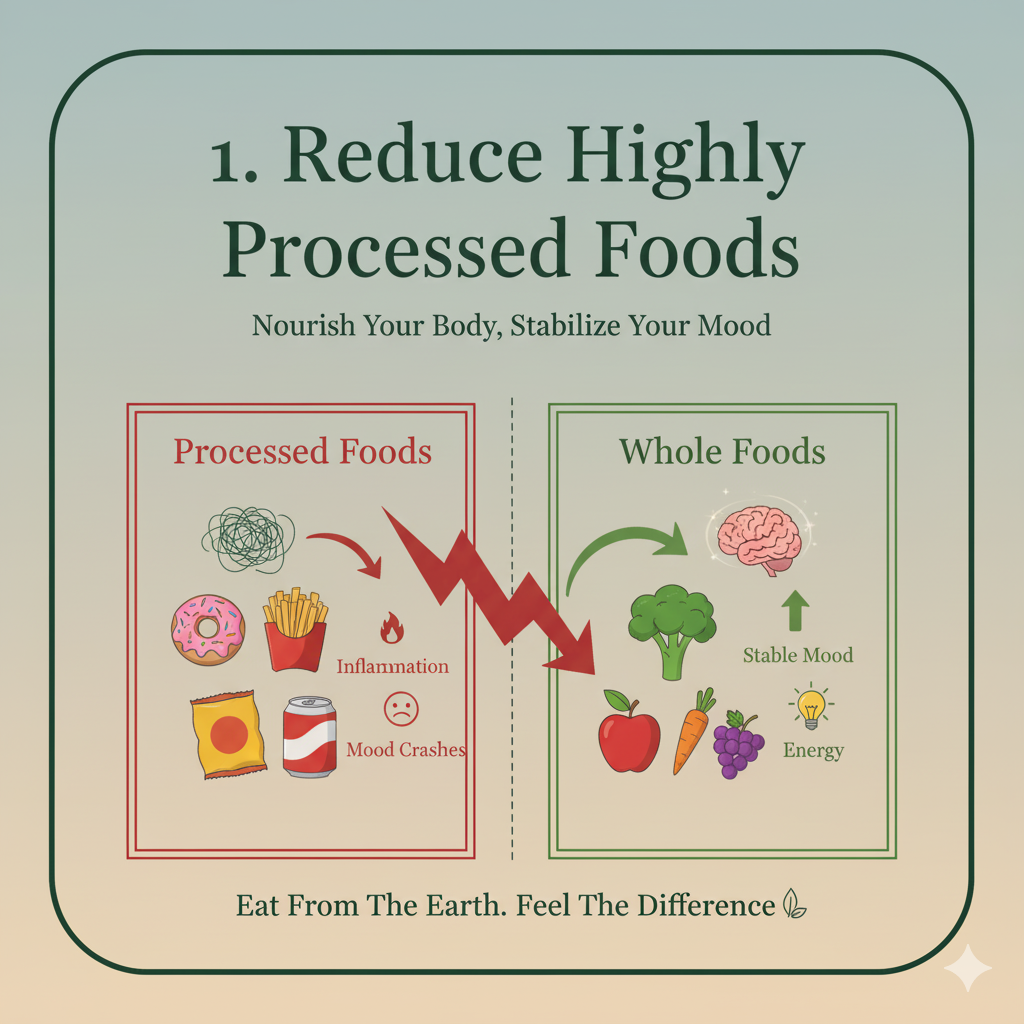
1. Reduce Highly Processed Foods
Foods high in refined sugars and unhealthy fats cause blood sugar crashes and promote inflammation, which destabilizes mood. Focus on whole, unprocessed foods.
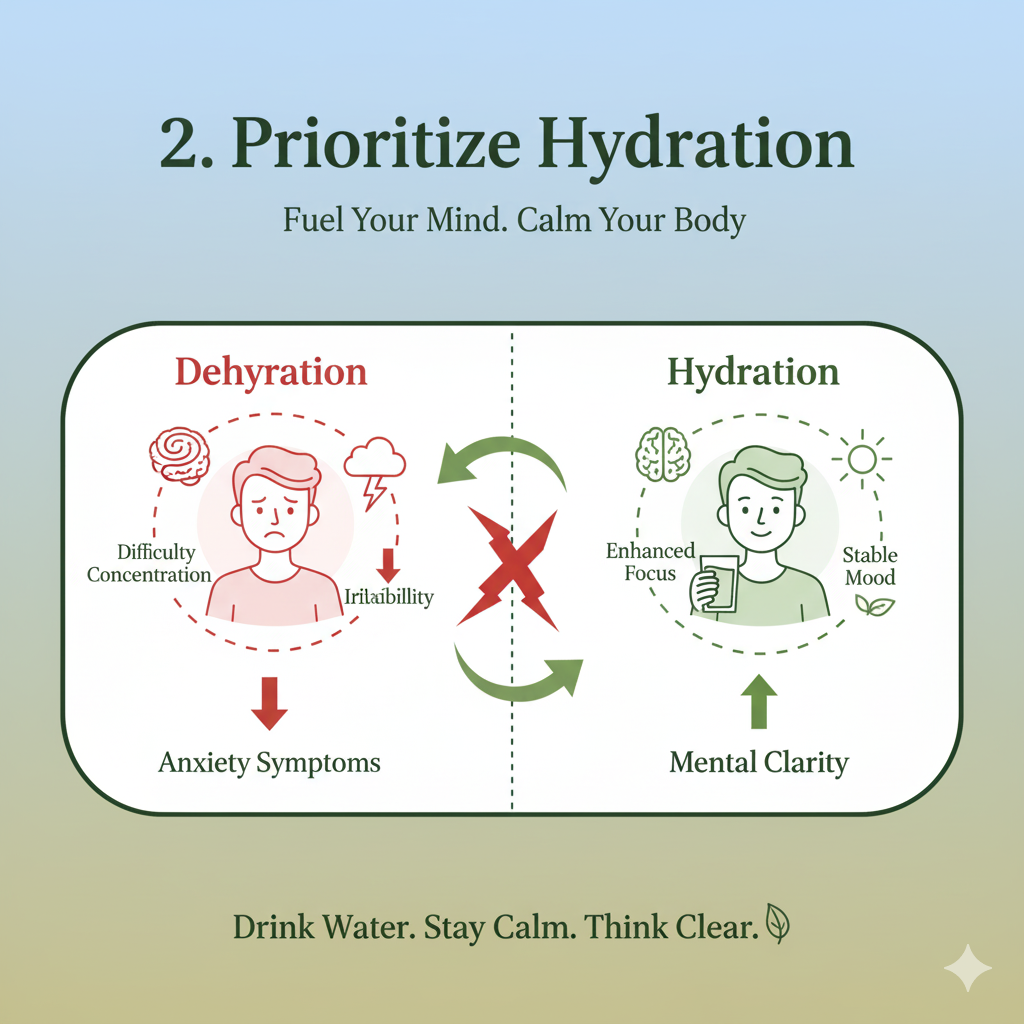
2. Prioritize Hydration
Dehydration can mimic symptoms of anxiety, including difficulty concentrating and irritability. Aim to drink water consistently throughout the day.
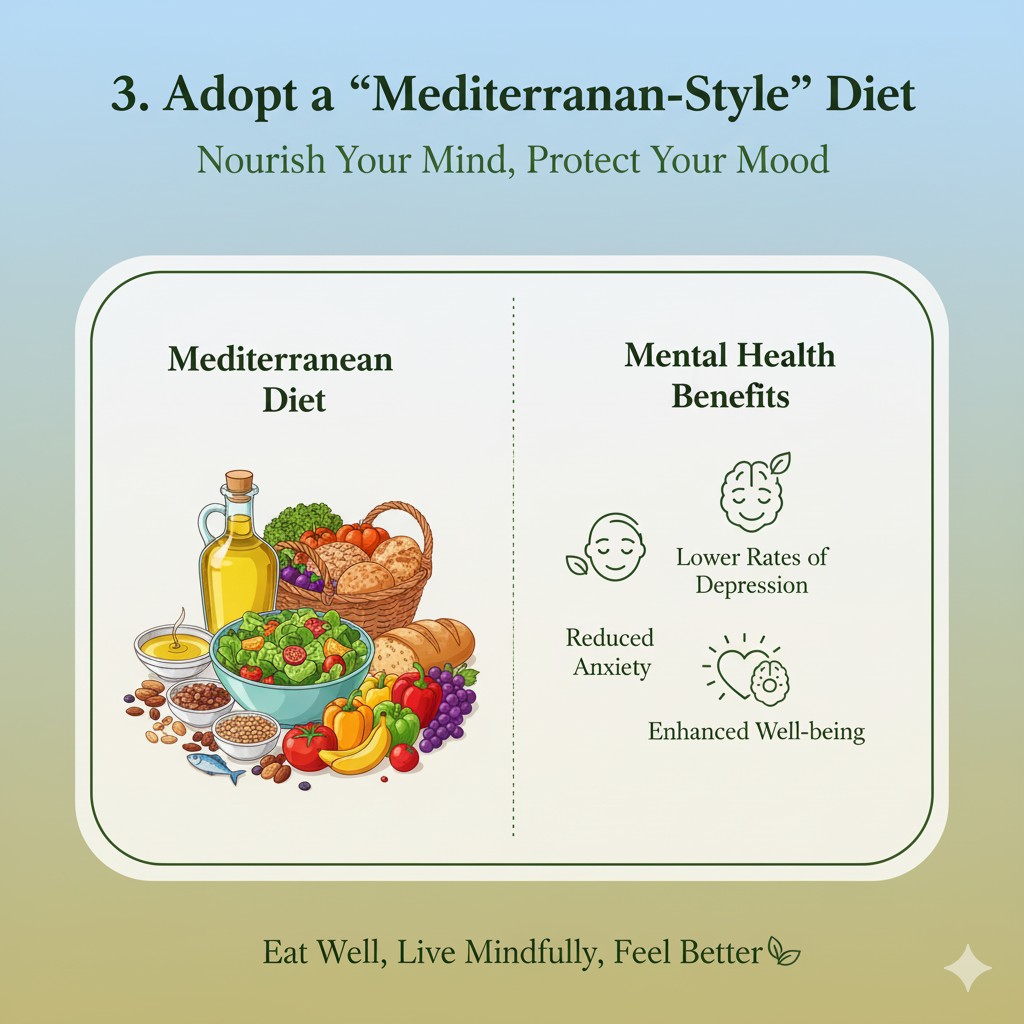
3. Adopt a "Mediterranean-Style" Diet
This pattern, rich in vegetables, fruits, whole grains, nuts, and healthy fats (like olive oil), is consistently linked to lower rates of depression and anxiety.
Taking the Next Step: Professional Nutritional Counseling
While general dietary advice is helpful, chronic mental health symptoms often require a precise, personalized diet plan. Trying to navigate the complexities of nutrient deficiencies, food sensitivities, and the gut microbiome on your own can be overwhelming. This is where specialized support is essential.
Why Consult a Dietitian for Depression and Anxiety?
Nutritional counseling for mental health goes beyond basic meal planning:
Targeted Deficiencies: A specialist can recommend testing and supplementation tailored to your specific deficiencies (e.g., Vitamin D, B12).
Address Sensitivities: They help identify food triggers that may be causing inflammation or digestive stress, impacting your mood.
Symptom Management: A dietitian for depression and anxiety designs a plan specifically focused on stabilizing blood sugar and optimizing the gut-brain axis to support mood regulation.