
What is Obsessive-Compulsive Disorder (OCD)?
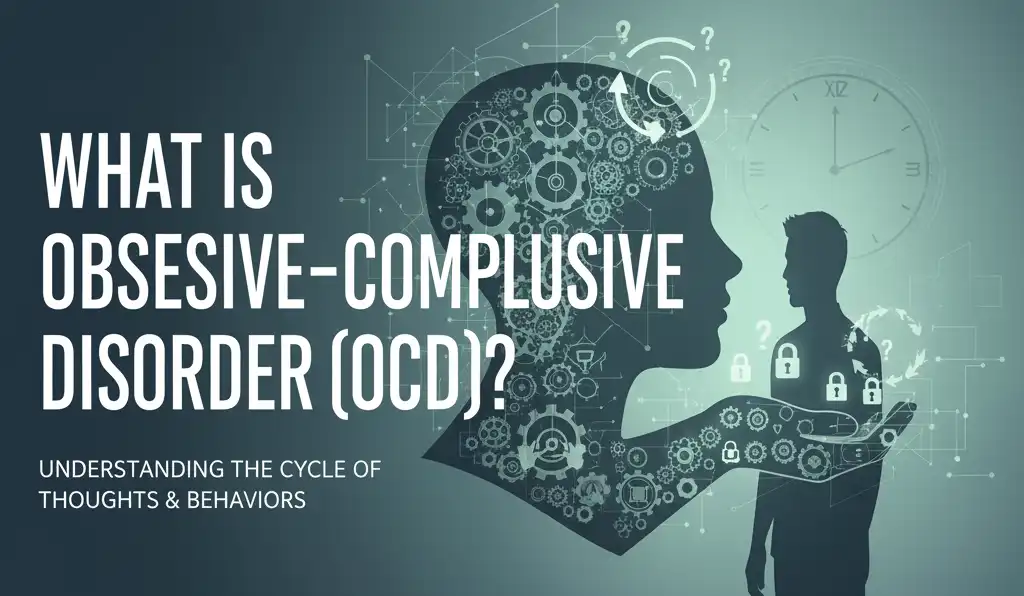
Obsessive-Compulsive Disorder (OCD) is a mental health condition characterized by a cycle of obsessions and compulsions that cause significant distress and interfere with daily life.
Obsessions: These are unwanted, intrusive, and persistent thoughts, images, or urges that cause anxiety or distress. Common themes include fear of germs or contamination, fear of harming oneself or others, a need for symmetry or exactness, or forbidden thoughts related to religion or sex.
Compulsions: These are repetitive behaviors or mental acts that a person feels driven to perform in response to an obsession. The goal of the compulsion is to reduce the anxiety caused by the obsession or to prevent a feared event from happening. Common compulsions include excessive handwashing, ordering and arranging, repetitive checking (e.g., locks, stoves), or counting.
The relief from a compulsion is only temporary, and the obsessive thoughts soon return, creating a chronic and distressing cycle.
What is Body Dysmorphic Disorder (BDD)?
Body Dysmorphic Disorder (BDD) is a condition defined by a persistent and distressing preoccupation with one or more perceived flaws in one’s physical appearance. These flaws are either minor or not observable to others.
Individuals with BDD become fixated on these “defects,” which can involve any part of the body (e.g., skin, nose, hair, or muscle size). This preoccupation leads to repetitive, time-consuming behaviors, such as:
Excessive mirror checking.
Camouflaging (with makeup, clothing, or posture).
Seeking reassurance about their appearance.
Excessive grooming.
Comparing their appearance to others.
Skin picking (to “fix” a perceived flaw).
BDD is not the same as normal vanity or insecurity. The preoccupation is intrusive, unwanted, and causes significant emotional distress, often leading to social avoidance and impairment in work, school, or other areas of life.
What is Hoarding Disorder?
Hoarding Disorder is characterized by a persistent difficulty in discarding or parting with possessions, regardless of their actual monetary or practical value.
This difficulty stems from a perceived need to save the items and significant distress associated with the thought of throwing them away. The accumulation of possessions eventually clutters living spaces to the point that they become unusable, unsafe, or unsanitary. Hoarding disorder is distinct from simply “collecting,” as the items are typically disorganized, and the clutter compromises the person’s ability to live in their home.
What is Trichotillomania (Hair-Pulling Disorder)?
Trichotillomania is a disorder that involves the recurrent, irresistible urge to pull out one’s own hair from the scalp, eyebrows, eyelashes, or other areas of the body.
Individuals with this condition often experience a growing sense of tension or anxiety immediately before pulling and a feeling of relief or gratification afterward. This behavior results in noticeable hair loss and causes significant distress. The pulling can be a focused response to stress or an automatic behavior done without full awareness (e.g., while reading or watching TV).
What is Excoriation (Skin-Picking) Disorder?
Excoriation Disorder (also known as dermatillomania) is characterized by the repetitive and compulsive picking of one’s own skin.
This picking often targets perceived imperfections such as pimples, scabs, moles, or freckles, but it can also involve healthy skin. The behavior leads to skin lesions, cuts, bruises, and scarring, and in some cases, can cause serious infections. Similar to trichotillomania, individuals often feel an increasing urge or tension before picking and a sense of relief after. The behavior is difficult to stop and causes significant emotional distress or impairment in daily functioning.