
Alcohol and Mental Health
Why This Matters
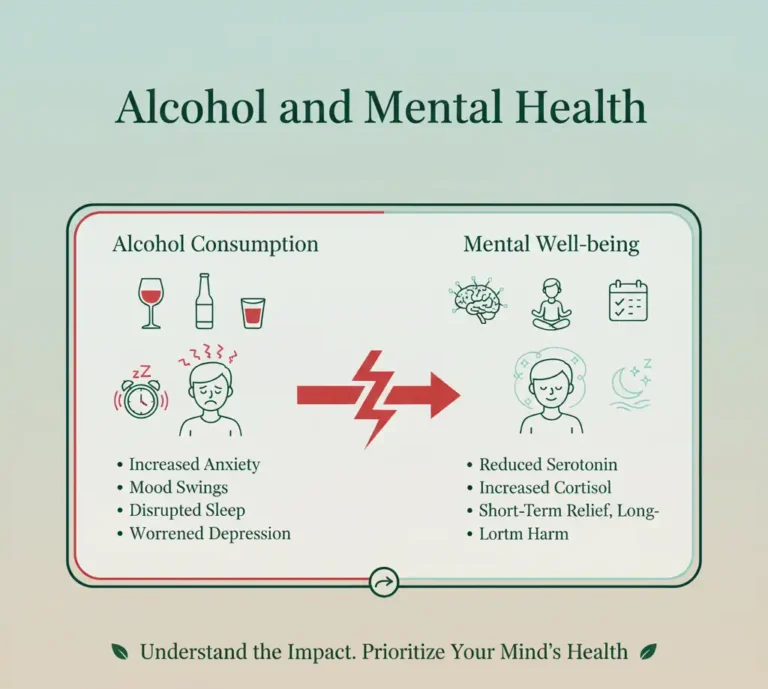
When we think about mental health — such as anxiety, depression or stress — we often don’t notice how closely linked it is to alcohol. Many people drink to relax, to feel more confident or even to suppress difficult feelings. But while a drink might help in the short term, its effects on both our brain and mood can become harmful over time.
In this article you’ll learn:
how alcohol affects your brain and body
how drinking and mental health influence each other
practical ways to get support when alcohol is affecting your mood, mind or life
How Alcohol Affects the Brain
Disruption of brain chemistry
When you drink, alcohol interferes with neurotransmitters—the chemical messengers in your brain that help regulate mood, thoughts and behaviour. At first you might feel relaxed, less anxious or more confident (because alcohol lowers inhibition). But this effect is temporary. As the alcohol wears off, you may experience more negative feelings: irritability, low mood or heightened anxiety.
Impaired thinking and regulation
Alcohol slows how your brain processes information. You might find it harder to understand your own feelings or reflect on what you’re doing. Over time, the brain’s ability to regulate mood and stress becomes impaired, making you more vulnerable to mental-health challenges.
How Alcohol Affects the Body & Why that Impacts Mental Well-being
Our minds and bodies are deeply connected. Here are some ways alcohol affects the body — and, indirectly, our emotional health:
Short-term effects: Over-drinking can lead to hangovers, disturbed sleep, migraines, stomach upset, or even alcohol poisoning. When you’re physically unwell, your mood and thinking often suffer too.
The Immediate Short Term Effects of Alcohol Consumption:
🧠 Central Nervous System (CNS) Depression: Alcohol acts as a depressant, leading to slower reaction times and reduced cognitive function.
🗣️ Impaired Motor Skills: This includes noticeable issues like slurred speech, loss of balance, and poor coordination.
😊 Temporary Mood Alteration: Initial feelings of relaxation or euphoria, which can quickly shift to agitation or sadness.
🚫 Decreased Inhibitions: A common short term effect of alcohol that can lead to risky behaviors or poor judgment.
😴 Drowsiness/Lethargy: As blood alcohol concentration (BAC) rises, feeling tired or sleepy becomes more likely.
-
Long-term effects: Chronic heavy drinking elevates risks of heart disease, stroke, high blood pressure, liver disease and several cancers. These health issues can increase stress, guilt, isolation or loss of confidence.
Understanding the long term effects of alcohol is crucial for assessing the risks of drinking. Chronic, heavy alcohol use is directly linked to damage across nearly every major organ system, fundamentally altering a person’s health. The most well-known consequences of chronic alcohol use include a spectrum of liver diseases, such as fatty liver, alcoholic hepatitis, and irreversible cirrhosis. Beyond the liver, long-term consumption significantly raises the risk of various cancers (mouth, throat, liver, and breast), causes permanent damage to the brain and nervous system (leading to conditions like dementia), and contributes to severe cardiovascular issues like high blood pressure, stroke, and heart failure.
Major Long Term Effects of Alcohol and Chronic Alcohol Use
-
Liver Disease:
-
Fatty Liver (Steatosis): The most common, often reversible in early stages.
Alcoholic Hepatitis: Inflammation of the liver.
Cirrhosis: Irreversible scarring and destruction of liver tissue, leading to liver failure.
-
Cardiovascular System:
-
High Blood Pressure (Hypertension).
Cardiomyopathy (Weakened Heart Muscle).
Increased risk of Stroke and Heart Failure.
-
Nervous System & Brain:
-
Brain Damage/Shrinkage: Loss of cognitive function and impaired memory.
Alcohol-Related Dementia: Severe, persistent memory and cognitive issues.
Wernicke-Korsakoff Syndrome: A brain disorder caused by thiamine (Vitamin B1) deficiency, leading to confusion and coordination problems.
-
Cancer Risk:
-
Significantly increased risk for cancers of the Mouth, Throat, Esophagus, Larynx, Liver, Colon, and Breast.
-
-
Digestive & Other Systems:
-
Pancreatitis: Painful and severe inflammation of the pancreas.
-
Stomach and Esophageal Ulcers/Gastritis.
-
Weakened Immune System: Increased susceptibility to infectious diseases (e.g., pneumonia).
-
Malnutrition and Vitamin Deficiencies.
-
The Two-Way Relationship Between Alcohol and Mental Health
Alcohol can worsen mental-health conditions
Research shows that people who drink alcohol are more likely to develop mental-health problems — and conversely, people who currently live with a serious mental-health condition are more likely to have issues with alcohol.
Here are some specific links:
Depression
Regular heavy drinking is associated with symptoms of depression. If someone with depression stops drinking and sees improvement in a few weeks, it may indicate that alcohol was playing a major role. Also, drinking while on antidepressants may reduce their effectiveness and increase side-effects.
Anxiety
Alcohol might seem like it offers quick relief for anxiety — but this is short-lived. Reliance on alcohol to reduce anxiety can lead to heavier drinking, more dependence, and ultimately more anxiety. Hangovers can also exacerbate anxious feelings.
Psychosis
Heavy drinking — or suddenly stopping heavy drinking — can sometimes trigger episodes of psychosis (e.g., hearing or seeing things that others don’t).
Suicide and self-harm
Because alcohol lowers inhibitions and can increase impulsivity, it can raise the risk of self-harm or suicidal thoughts and behaviours.
Why do people drink when they’re distressed?
One common reason is “self-medication” — drinking to cope with difficult emotions, symptoms of a mental-health condition, stress or trauma. While the intention may be to feel better in the moment, relying on alcohol in this way can create a cycle that worsens both mental and physical health.
What Helps: Support, Strategies and Changing the Relationship With Alcohol
If you’re concerned that alcohol may be affecting your mental health — or that your mood or mental-wellness might drive your drinking — here are steps that can help:
Understanding safe-drinking Guidelines
In the UK, the government advises that men and women should not regularly drink more than 14 units of alcohol per week — the equivalent of about six pints of average-strength beer or six medium glasses of wine.
If you’re drinking that much or more regularly, it’s better to spread it across at least three days.
Getting professional help
See your GP: It may feel hard, but your doctor is there to support you without judgment. Your GP can assess how alcohol is affecting your physical and mental health, and refer you to specialist services.
Dual-diagnosis care: If you have both a drinking problem and a mental-health condition, this is often called a “dual diagnosis”. In that case, mental-health services (rather than only alcohol-services) should lead your care.
Safe withdrawal: If you’re physically dependent on alcohol, stopping suddenly can be risky. A healthcare professional can help you do so safely, with medical support if needed.
Self-help strategies you can begin now
Avoid high-risk situations: If you tend to drink in certain places or with certain people, try shifting the context. For example, replace pub nights with a film-night with friends, an evening class or a walk together.
Talk openly: Share your thoughts and concerns with someone you trust. Talking it out reduces isolation and can help you stay accountable.
Explore healthy coping tools: Meditation, yoga, regular exercise, creative hobbies or simply spending time with supportive friends can all boost mood and resilience without relying on alcohol.
Mindful drinking: Being more mindful about why you drink — and what you’re trying to achieve — can increase your awareness of when drinking is becoming a habit rather than a choice. For example, programmes like Club Soda help people reflect on their drinking patterns.
Building a Healthier Relationship With Alcohol and Mental Wellness
Here are some guiding questions and actions to help you reflect and make meaningful shifts:
When and why do I reach for a drink? Is it for social fun – or to dull anxiety, stress or difficult emotions?
How do I feel after drinking? Do I notice a slump in mood, sleep problems or increased anxiety afterwards?
What else could I do instead? Plan alternate activities or new coping strategies for times when you might normally drink.
Am I honest with health professionals? Be open about your drinking and mental-health history so you get the right kind of support.
Change doesn’t happen overnight, and you may need support along the way — but taking the first step and recognising the connection between alcohol and mental health is a powerful one.
You Are Not Alone – Where to Get Support
If you’re worried about alcohol, your mood or your mental-wellness path, here are next steps you can take:
Reach out to your GP, mental-health services or an alcohol-support service.
Explore trusted organisations for guidance and peer-support:
Drinkaware — advice and tools on drinking habits.
Alcohol Change UK — campaigns and practical support for changing drinking patterns.
Alcoholics Anonymous (AA) — peer-led groups for anyone concerned about their drinking.
If you are based outside the UK, check for your local equivalents or national helplines.
If you’re feeling like you might act on suicidal thoughts or self-harm, please call emergency services immediately, or visit your nearest crisis centre.