
Anorexia Nervosa: Symptoms, Causes, and Treatment
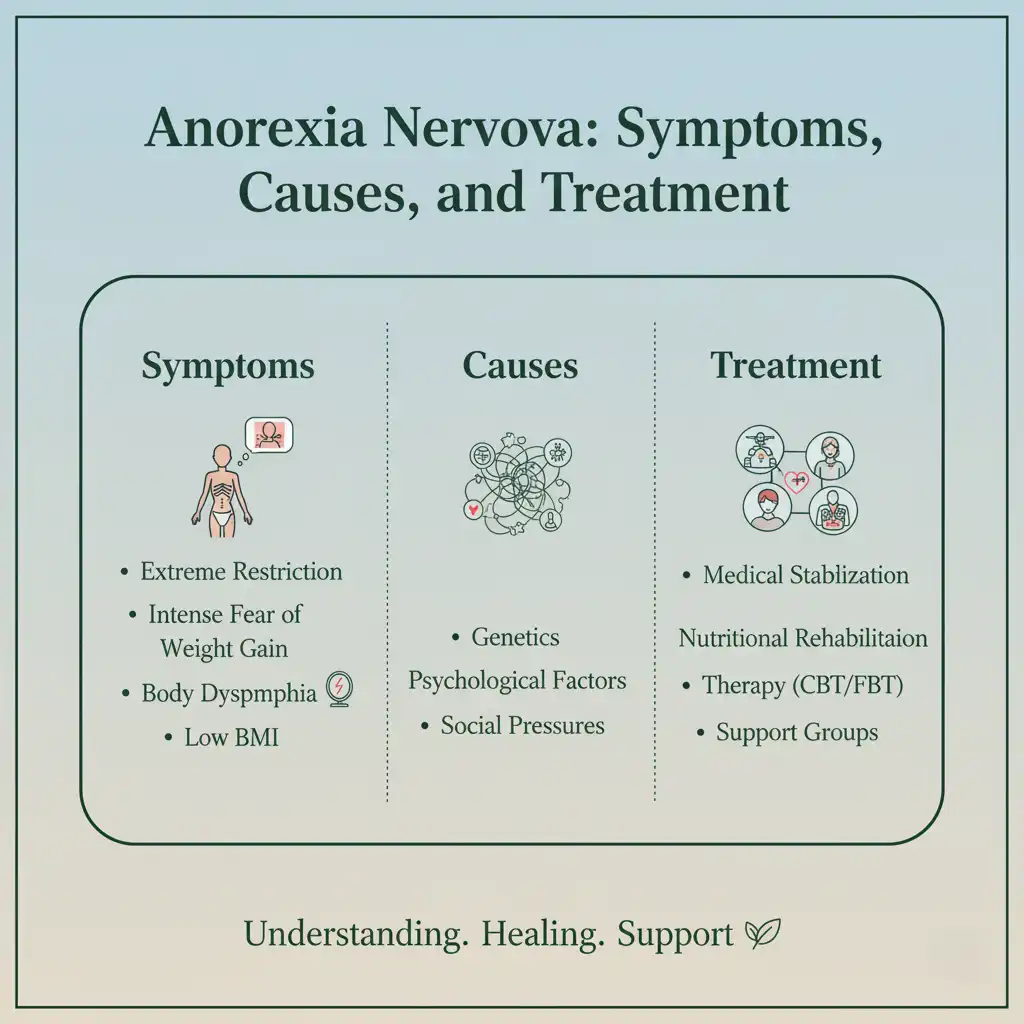
Anorexia Nervosa is recognized as a profound eating disorder and a serious mental health condition. It is not simply about dieting or vanity; it is a complex illness marked by the persistent self-denial of food, an overwhelming fear of weight gain, and often a severe distorted body image (or body dysmorphia), leading an individual to perceive themselves as overweight even when medically underweight.
This condition stems from a deeply rooted combination of factors, frequently involving struggles with low self-esteem and an unhealthy preoccupation with shape and size.
Who Does Anorexia Affect?
While historically associated primarily with young women, Anorexia Nervosa can impact anyone, regardless of gender, age, or background. We are increasingly seeing cases reported across various demographics, including men and boys, individuals over the age of 40, and even children.
Key Indicators and Symptoms of Anorexia
Recognizing the signs of this disorder is crucial for early intervention. Symptoms manifest across a person’s physical health, mental state, and daily behavior.
1. Psychological and Emotional Signs
Individuals suffering from anorexia often exhibit specific cognitive and emotional patterns:
Intense Phobia of Fatness: A persistent and irrational dread of gaining weight.
Body Image Distortion: Seeing one’s body as significantly larger or different from reality.
Obsession with Metrics: Constant preoccupation and fixation on body weight, size, and measurements.
Emotional Volatility: Experiencing anxiety, especially during mealtimes, accompanied by irritability and abrupt mood swings.
Internalized Criticism: Low self-esteem, poor self-confidence, and a tendency toward extreme perfectionism and rigid self-standards.
Illness Denial: A tendency to downplay the severity of the problem, even after receiving a diagnosis.
2. Behavioral Changes
The disorder drives a range of compulsive and secretive behaviors centered on food and weight control:
Restrictive Eating Patterns: Severe reduction in calorie consumption or outright refusal to eat.
Rituals and Rules: Establishing complex, rigid rules around eating, such as excessive calorie counting, categorizing foods as “good” or “bad,” chewing food slowly, or cutting food into tiny pieces.
Hiding Food: Making excuses to avoid eating with others, hiding, or discarding meals.
Compulsive Exercise: Engaging in excessive and often secretive physical activity as a means to burn calories.
Purging Behaviors: Utilizing self-induced vomiting or the misuse of laxatives and diuretics.
Social Isolation: Withdrawing from friends and family, often to maintain secrecy around their eating habits.
Lying: Deceiving others about how much they have eaten or how much weight they have lost.
3. Physical Effects
The chronic malnourishment associated with anorexia causes serious effects on the body:
Significant Weight Loss
Hormonal Disruption: In females, menstrual cycles may stop (amenorrhea) or become highly irregular; both sexes may experience a decreased sexual interest.
Circulatory Issues: Dizziness, fainting, and abnormally low blood pressure.
Digestive Problems: Persistent constipation, bloating, and stomach pain.
Temperature Sensitivity: Feeling perpetually cold and weak.
Hair and Skin Changes: Hair loss from the scalp and the growth of fine, soft, downy hair (known as lanugo) across the body.
Fatigue and Insomnia: Difficulty concentrating and chronic sleep issues.
Exploring the Causes of Anorexia Nervosa
There is no singular cause; anorexia typically emerges from the interaction of multiple contributing factors.
Biological and Genetic Predisposition
Research indicates that genetic factors may make some individuals more susceptible to developing the disorder. Additionally, imbalances in brain chemicals responsible for regulating appetite, mood, and digestion can influence a person’s vulnerability to anorexia.
Psychological Factors and Personality Traits
Individuals who develop anorexia often share certain traits, including:
A struggle with stress management and life coping skills.
Pre-existing conditions like depression, generalized anxiety disorders, Obsessive-Compulsive Disorder (OCD), or tendencies toward self-harm.
A profound sense of low self-worth, where restricting food can become an unhealthy source of achievement or control.
Sociocultural Influence
Our society often places immense pressure on maintaining a certain body image, implying that external appearance reflects personal value. While these pervasive cultural standards do not directly cause the disorder, they can significantly damage self-esteem and act as a trigger for developing anorexia in people already psychologically vulnerable.
Treatment and Path to Recovery
Overcoming anorexia is challenging, but with professional help, recovery is absolutely possible. The first critical step is seeking professional assessment.
Professional Intervention
General Practitioner (GP) Consultation: The initial step involves consulting a primary care doctor. They will assess any physical health complications resulting from low weight and provide an essential referral to specialized eating disorder services.
Specialist Services: Treatment is typically managed by a multidisciplinary team, often including psychiatrists, therapists, and dietitians.
Therapeutic Approaches
Talking therapies are foundational to recovery, helping individuals address the underlying emotional and psychological triggers:
Cognitive Behavioral Therapy (CBT): This widely-used therapy focuses on identifying and transforming the current disruptive thoughts (e.g., “I must be thin to be loved”) and harmful food rules that sustain the anorexia.
Cognitive Analytical Therapy (CAT): This approach delves into past experiences and relationships to understand how they shaped current feelings and behaviors, enabling the patient to develop healthier coping mechanisms.
Maudsley Approach (for Children and Young People): This form of family-based therapy actively involves parents in the process of restoring their child’s weight to a healthy level before gradually handing control of eating back to the child to promote independence.
Medication and Hospitalization
Medication: Antidepressants are sometimes prescribed, not as a direct treatment for anorexia, but to manage co-occurring conditions like severe anxiety, OCD, or depression.
Inpatient Care: Hospital admission is generally reserved for individuals whose weight has dropped to a dangerous level, requiring intensive medical stabilization. This setting combines medical monitoring with therapeutic support, including counseling, group therapy, and dedicated nutritional guidance from a dietitian.
Self-Care and Ongoing Support
While professional treatment is vital, supplementary self-care and support systems can aid the recovery journey:
Support Groups: Joining online or in-person support groups, such as those run by organizations like Beat (The UK’s Eating Disorder Charity), provides comfort and a space to share experiences with others facing similar challenges.
Mindful Routines: Working to replace harmful food rituals and exercise habits with healthy, sustainable routines.
Relapse Management: Creating a personalized plan with a therapist to recognize and manage potential setbacks during recovery.