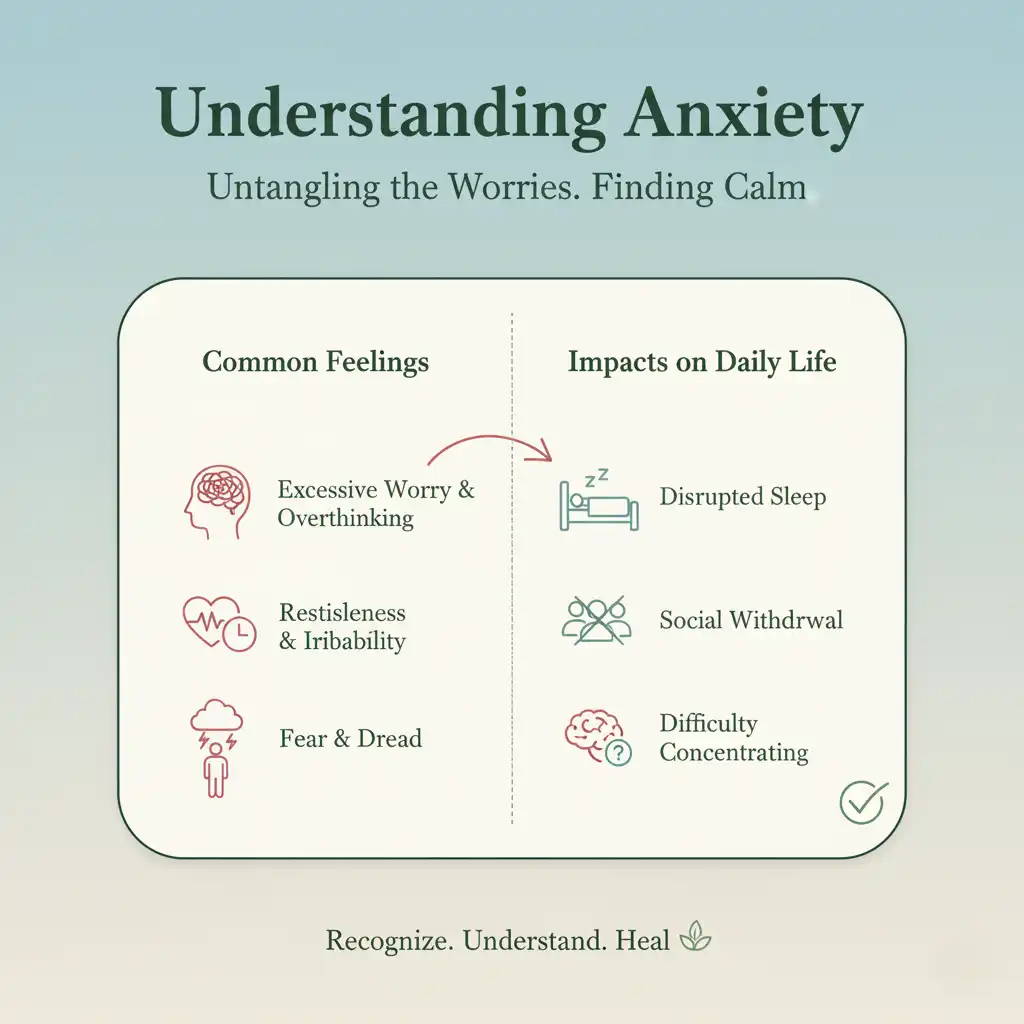
Understanding Anxiety

Understanding Anxiety

Anxiety is a completely natural human emotion, acting as an automatic response to stress, danger, or perceived threats. It serves a crucial, motivational purpose: it can sharpen our focus for a job interview, keep us alert during a challenging situation, or prompt us to solve problems.


However, when this natural defense mechanism becomes ongoing, disproportionate, intense, and difficult to control, it can evolve into a genuine mental health challenge. If your anxiety begins to interfere with your ability to live your life—making everyday activities difficult or impossible—it may be a sign of an anxiety disorder.

Key Signs and Symptoms

Anxiety manifests through a combination of physical, mental, and behavioral changes.

1. Psychological and Emotional Symptoms

The mind often registers anxiety as a state of distress, including:

  • A persistent feeling of dread or the belief that the worst outcome is imminent.

  • Feeling constantly on edge, keyed up, or jumpy.

  • Irritability or short temper.

  • Trouble focusing or concentrating on tasks.

  • Experiencing a sense of detachment from your surroundings or even from yourself (derealization or depersonalization).

2. Physical Symptoms

The body’s “fight or flight” response
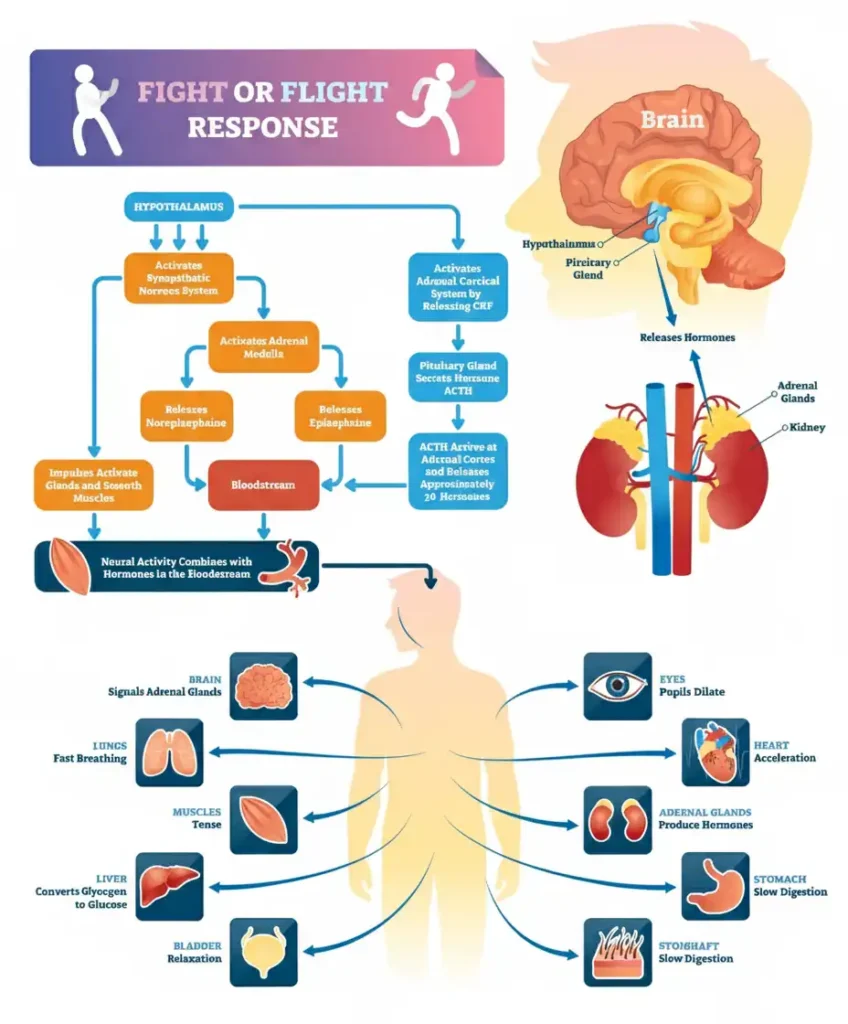
The body's "fight or flight" response

triggers noticeable physical reactions:

  • Heart Palpitations: A rapid, strong, or noticeable heartbeat.

  • Respiratory Distress: Shortness of breath or hyperventilating.

  • Digestive Issues: Nausea, feeling sick, or changes in bowel or bladder habits (needing the toilet more or less often).

  • Muscle Tension: Restlessness, wobbly legs, or a pins-and-needles sensation in the hands and feet.

  • Other Reactions: Dizziness, light-headedness, excessive sweating, and severe sleep problems.

  • Panic Attacks: Sudden, intense episodes of fear accompanied by several of the above physical symptoms.

3. Behavioral Changes

Anxiety often changes how we act around others and navigate our environment:

  • Avoidance: Deliberately staying away from certain places, situations (like public transport), or social gatherings. While avoidance offers temporary relief, it ultimately reinforces the fear and prevents the opportunity to overcome it.

  • Withdrawal: Isolating oneself from friends, family, and social activities.

  • Hiding: Developing strategies to conceal anxiety from others, often appearing “fine” on the outside despite internal distress.

What Are Anxiety Disorders?

When anxiety symptoms meet specific diagnostic criteria, a healthcare professional may diagnose a formal anxiety disorder. These are among the most common mental health problems worldwide.

Common types include:

  • Generalised Anxiety Disorder (GAD): Characterized by chronic worry and anxiety about multiple life events (e.g., health, money, family) most of the time.

  • Panic Disorder: Defined by the regular occurrence of sudden, intense panic attacks, often happening spontaneously without a clear trigger.

  • Social Anxiety Disorder (Social Phobia): An overwhelming fear or dread of being scrutinized, judged, or humiliated in social and performance situations.

  • Phobias: An intense, irrational fear of a specific object, place, situation, or feeling (e.g., heights, spiders, enclosed spaces).

  • Post-Traumatic Stress Disorder (PTSD): Anxiety that develops following exposure to a terrifying or profoundly stressful event.

  • Obsessive-Compulsive Disorder (OCD): Involving recurring, unwanted thoughts (obsessions) that lead to repetitive, ritualistic behaviors (compulsions) aimed at reducing anxiety.

Factors That Contribute to Anxiety Disorders

Anxiety disorders are usually the result of multiple factors interacting, rather than a single cause:

  • Biological and Genetic Factors: A family history of anxiety or other mental illnesses suggests a genetic predisposition.

  • Life Circumstances: Current stressors, such as financial problems, unemployment, work stress, housing instability, loneliness, or difficult personal relationships, can all trigger or exacerbate anxiety.

  • Traumatic Events: Experiencing past trauma, such as abuse, domestic violence, or a severe accident, is a significant risk factor.

  • Health and Lifestyle: Existing long-term painful health conditions or issues with substance misuse (drugs or alcohol) can also contribute to the development of an anxiety disorder.

Seeking Support and Treatment

No matter how severe or long-lasting your symptoms are, effective treatment is available. The first and most important step is to speak to your GP (General Practitioner). They will assess your symptoms and refer you to appropriate specialist services.

1. Talking Therapies
These treatments involve working with a qualified mental health professional to understand and reframe anxious thoughts, feelings, and behaviors. Recommended therapies include:

    • Cognitive Behavioural Therapy (CBT): Highly effective for anxiety, CBT Cognitive Behavioural Therapy (CBT):
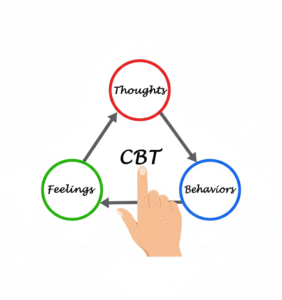
teaches practical strategies to recognize, challenge, and overcome the distorted or distressing thought patterns that fuel the anxiety cycle.

  • Applied Relaxation: A technique focused on systematically learning to relax specific muscle groups to reduce physical tension and manage anxiety in trigger situations.

2. Medication
Your GP may discuss medication options to manage both the physical and psychological symptoms of anxiety. This often involves specific types of antidepressants which help balance brain chemistry. Medication is typically used in conjunction with talking therapy.

3. Self-Help Resources
In many cases, or while waiting for specialist treatment, self-help resources may be suggested, such as online CBT modules or dedicated workbooks.

Practical Self-Care Strategies

Alongside professional treatment, focusing on your physical and mental well-being can greatly assist in managing anxiety:

    • Mind-Body Connection: Engage in regular physical activity, ensure you maintain a balanced diet, and prioritize consistent, adequate sleep. Avoid or limit substances like caffeine, alcohol, and nicotine.

    • Communicate: Share your feelings and concerns with a trusted friend, family member, or call a dedicated anxiety helpline. Simply articulating what is making you anxious can be relieving.

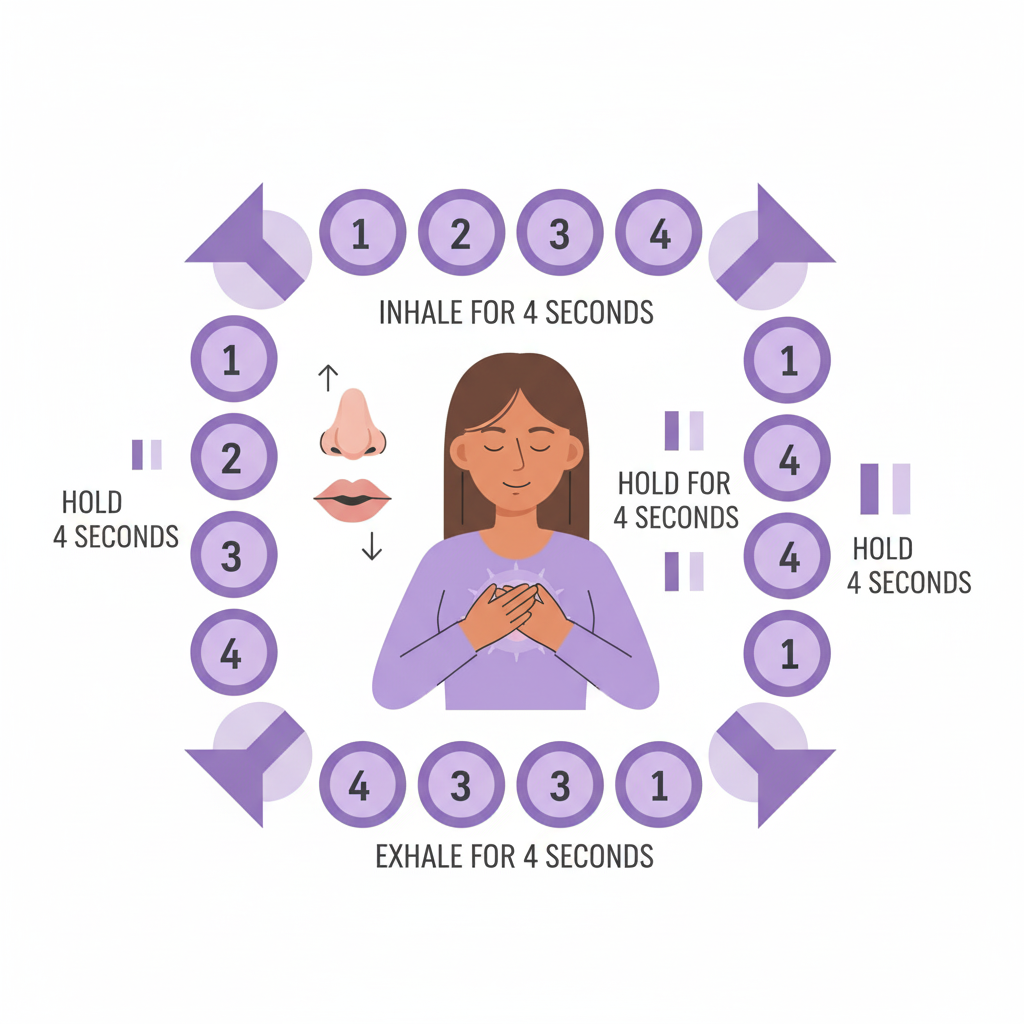
    • Breathing and Mindfulness: Learn controlled breathing exercisesLearn controlled breathing exercises

to help interrupt a panic attack or moments of high stress. Some find mindfulness useful for grounding, though it is not always recommended for social anxiety.
  • Peer Support: Consider joining an online or local peer support group. These groups offer a safe environment to connect and share experiences with others who truly understand what it is like to live with an anxiety disorder.

Leave a Comment

Your email address will not be published. Required fields are marked *