
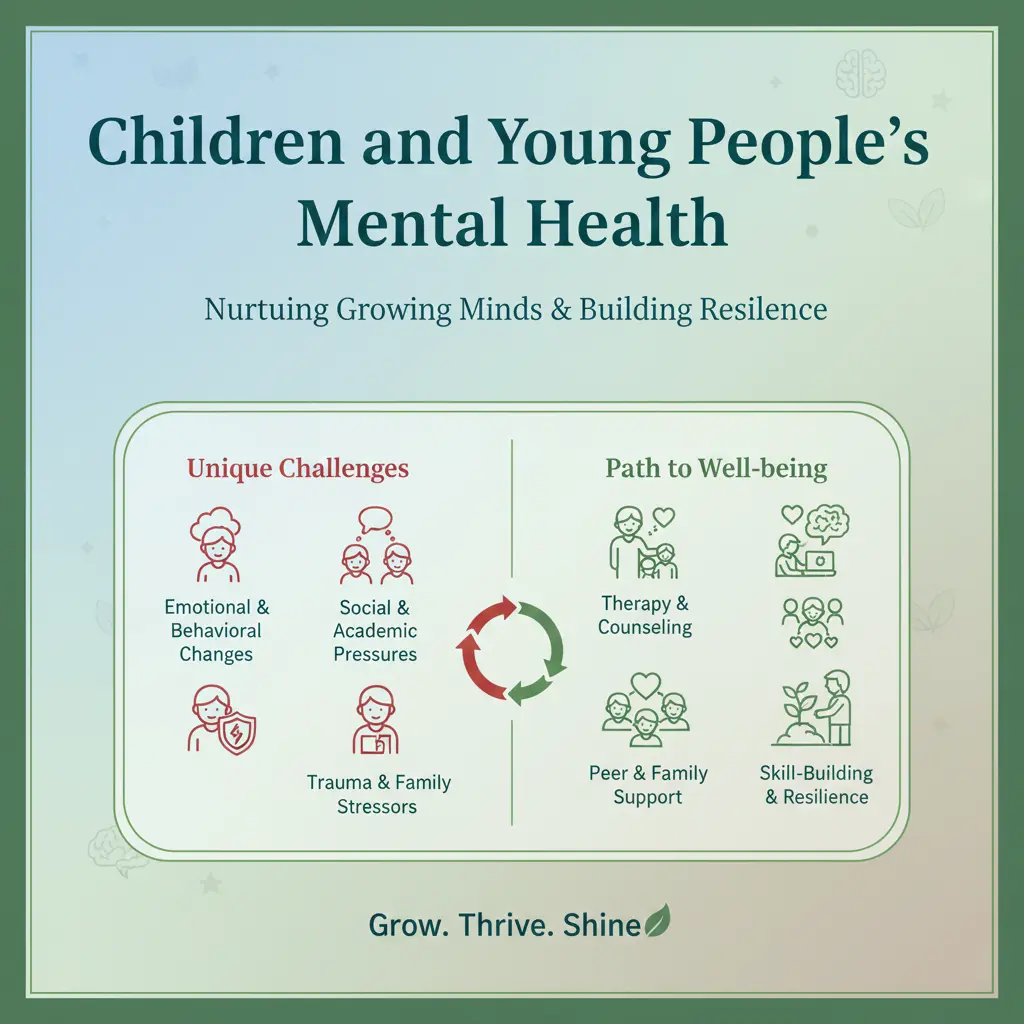
Good mental health is a cornerstone of childhood, helping young people build resilience, cope with change, and grow into healthy adults. Alarmingly, research suggests that 75% of children and young people with mental health problems are not getting the help they need.
Understanding the factors that influence emotional well-being—and knowing where to find support—is essential for parents, caregivers, and young people themselves.
Factors Affecting Mental Health in Youth
Growing up is a time of immense physical and emotional change, which can naturally create instability. While most children navigate this successfully, certain triggers can impact their mental well-being.
Traumatic Events: Experiences such as abuse, neglect, or the loss of a loved one.
Life Changes: Moving house, changing schools, or the arrival of a new sibling.
Family Dynamics: Parental separation, conflict at home, or financial difficulties.
School Pressures: Bullying, exam stress, or feeling socially isolated.
Adolescent Development: The natural emotional turmoil of puberty and the search for identity.
Common Mental Health Problems
Mental health issues are rising among youth, with surveys indicating higher rates of distress than in previous decades. Some common conditions include:
Depression: Feelings of sadness or hopelessness, particularly common in teenagers.
Anxiety Disorders: Ranging from separation anxiety in young children to Generalised Anxiety Disorder (GAD) in teens.
Self-Harm: A sign of intense emotional distress, often used as a coping mechanism.
Eating Disorders: Conditions like anorexia and bulimia, which often begin during adolescence.
Post-Traumatic Stress Disorder (PTSD): Can occur after witnessing or experiencing frightening events.
ADHD: Characterized by impulsivity, hyperactivity, and difficulty focusing.
Support for Young People
If you are a young person struggling with your feelings, know that you are not alone and support is available.
Talk to Someone: Opening up to a friend, parent, or trusted teacher can be a huge relief.
Visit Your GP: A doctor can assess your feelings and refer you to specialist services like CAMHS (Child and Adolescent Mental Health Services).
Contact Helplines: Services like Childline (0800 1111) and The Mix offer free, confidential support tailored for young people.
Advice for Parents and Carers
Seeing your child struggle is difficult, but your support makes a difference.
Listen Actively: Sometimes, just being heard is enough. Validate their feelings without immediately trying to “fix” everything.
Watch for Changes: Look out for persistent changes in behavior, sleep, or appetite.
Seek Professional Help: If distress affects their daily life or family functioning, consult a GP or school counselor.
Encourage Healthy Habits: Promote regular exercise, good sleep, and time for play and relaxation.
Treatment and Recovery
Treatment is often a collaborative process involving the young person, their family, and professionals.
Talking Therapies: Counseling or cognitive behavioral therapy (CBT) can help young people understand and manage their emotions.
Play Therapy: For younger children, therapy may involve play to help them express feelings they cannot put into words.
Medication: In some cases, medication may be prescribed following a specialist assessment.