
Human Rights and Mental Health: Your Protections Explained
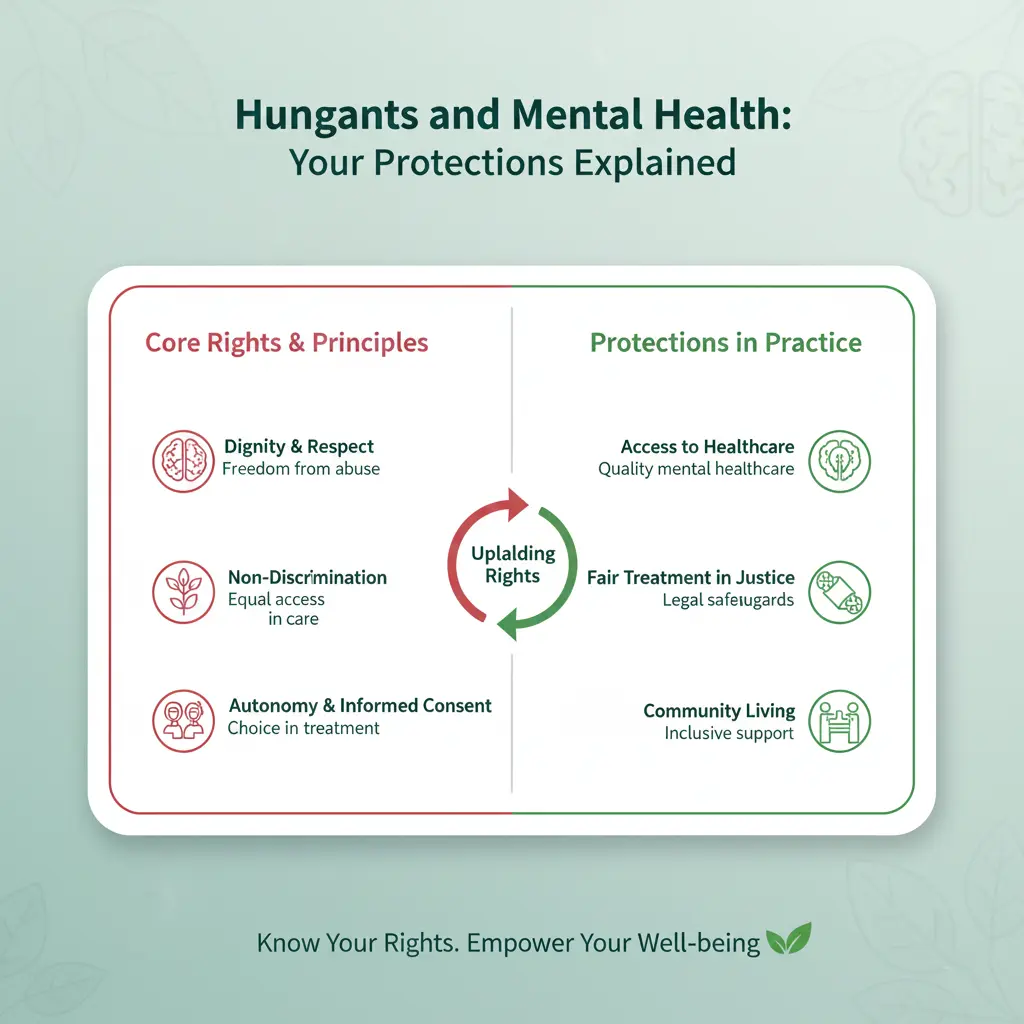
Mental health is not just a medical issue; it is a fundamental human rights issue. Everyone, regardless of their mental health status, is entitled to be treated with dignity, respect, and fairness.
Historically, people with mental health conditions have faced significant violations of their rights, including discrimination, forced treatment, and social exclusion. Understanding the link between human rights and mental health is essential for advocating for yourself and others.
The Global Framework: Mental Health Rights
Globally, the right to mental health is enshrined in international law. The UN Convention on the Rights of Persons with Disabilities (UNCRPD) states that people with disabilities—including long-term mental health conditions—must enjoy the same human rights as everyone else.
This includes:
The Right to Health: Access to affordable, good-quality mental health care.
The Right to Liberty: Protection against unlawful detention.
Freedom from Torture: Protection from cruel, inhuman, or degrading treatment.
Non-Discrimination: Equality before the law, regardless of diagnosis.
Key Protections in Practice
In many countries, these international principles are enacted through local laws, such as the Human Rights Act 1998 in the UK. Here are the specific rights most relevant to mental health care:
1. The Right to Liberty (Article 5)
Everyone has the right to freedom. However, in mental health care, this right can be restricted under specific laws (often called being “sectioned” or “involuntary commitment”) if a person is a danger to themselves or others.
Your Protection: Detention must be lawful, follow a strict procedure, and you must have the right to challenge it in a court or tribunal.
2. Protection from Inhuman Treatment (Article 3)
You must never be treated in a way that causes intense physical or mental suffering.
In Practice: This protects patients from excessive force during restraint, abusive conditions in hospitals, or medical negligence.
3. Right to Respect for Private and Family Life (Article 8)
This covers your right to live your life with privacy and without unjustified interference.
In Practice: This includes your right to see your family while in hospital, your right to confidentiality regarding your medical records, and respect for your physical integrity (e.g., regarding forced medication).
4. The Right to a Fair Hearing (Article 6)
If you are detained or your rights are being decided, you are entitled to a fair and public hearing within a reasonable time.
In Practice: This applies to Mental Health Tribunals where you can appeal against your detention.
What to Do If Your Rights Are Violated
If you believe a public authority (like a hospital, police force, or social services) has breached your mental health rights, you can take action.
Raise it Informally: Speak to the staff or the manager of the service first.
Make a Formal Complaint: All public services have a complaints procedure. Write down what happened and which right you feel was ignored.
Seek Advocacy: An advocate is an independent person who can help you express your views and claim your rights.
Legal Action: In serious cases, you may be able to take legal action.
Global Support and Resources
World Health Organization (WHO): Detailed information on the global standard for mental health and human rights.
Human Rights Watch: Reports and advocacy on mental health rights violations worldwide.
Equality and Human Rights Commission (UK): Advice on the Human Rights Act and discrimination.
Mind (UK): Practical guide to using the Human Rights Act in mental health.