
Living with Long-Term Physical Conditions and Mental Health
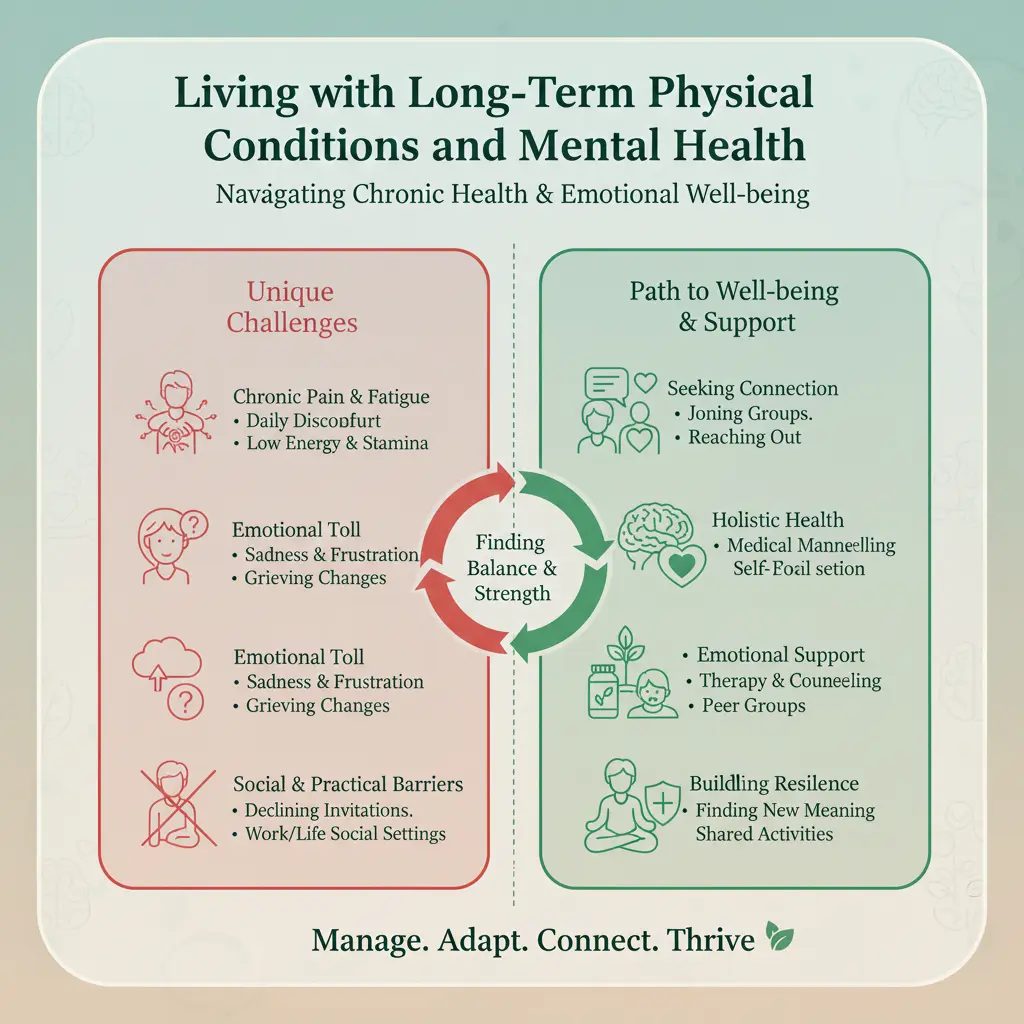
Our minds and bodies are not separate; they are deeply interconnected. When you live with a long-term physical condition (also known as a chronic illness), it is not just your physical health that is affected—your mental well-being is often impacted, too.
Research shows that people with long-term physical conditions are more than twice as likely to develop mental health problems like anxiety and depression. Understanding this link is the first step toward managing your health holistically and improving your quality of life.
What Are Long-Term Physical Conditions?
Long-term physical conditions are health issues that cannot currently be cured but can be managed through medication, therapy, and lifestyle changes.
Common examples include:
Diabetes
Asthma and respiratory conditions
Arthritis and chronic pain
Epilepsy
Heart disease and high blood pressure
Chronic Fatigue Syndrome (ME/CFS)
While these conditions are more common in older adults, they can affect anyone at any age.
The Mental Health Impact of Chronic Illness
Living with a chronic condition can be physically draining and emotionally overwhelming. It is common to experience a cycle of emotions that impact your mental health.
1. Emotional Strain
Grief: You may mourn the loss of your “healthy self” or the life you had before diagnosis.
Fear: Worrying about the future, potential flare-ups, or the progression of the illness is common.
Frustration: Dealing with daily limitations, pain, and medical appointments can lead to irritability and anger.
2. Social Isolation
Physical symptoms like fatigue or pain may force you to cancel plans or stop working. This can lead to loneliness and a feeling that others “don’t understand” what you are going through.
3. The Pain-Depression Cycle
Chronic pain and depression often fuel each other. Pain can cause low mood, and low mood can lower your tolerance for pain, creating a difficult cycle to break.
Managing Your Mental Wellbeing
You do not have to accept poor mental health as an inevitable part of your physical condition. There are proactive steps you can take to cope better.
Medical and Therapeutic Support
Talk to Your Doctor: Be open with your GP or primary care provider about your mood. They can adjust your treatment plan to support both your mind and body.
Cognitive Behavioural Therapy (CBT): This therapy is highly effective for chronic pain management. It changes how you think about pain and helps you develop coping strategies, giving you a greater sense of control.
Join a Support Group: Connecting with others who face similar challenges can reduce isolation. Many organizations offer condition-specific groups (e.g., for diabetes or cancer).
Self-Management Strategies
Pacing: Learn to balance activity with rest to avoid “boom and bust” cycles where you overexert yourself and then crash.
Communicate: Explain your “invisible symptoms” (like fatigue) to friends and family so they understand your limits.
Prioritize Sleep: Poor sleep worsens both physical pain and mental anxiety. Establish a calming bedtime routine.
Global Support Resources
World Health Organization (WHO): Information on the global impact of chronic diseases.
Versus Arthritis (UK): Specialized support for managing arthritis and chronic pain.
American Chronic Pain Association (USA): Resources for living with chronic pain conditions.
Diabetes UK: Support for managing the mental and physical aspects of diabetes.