
Loneliness and Mental Health: Understanding and Overcoming Isolation
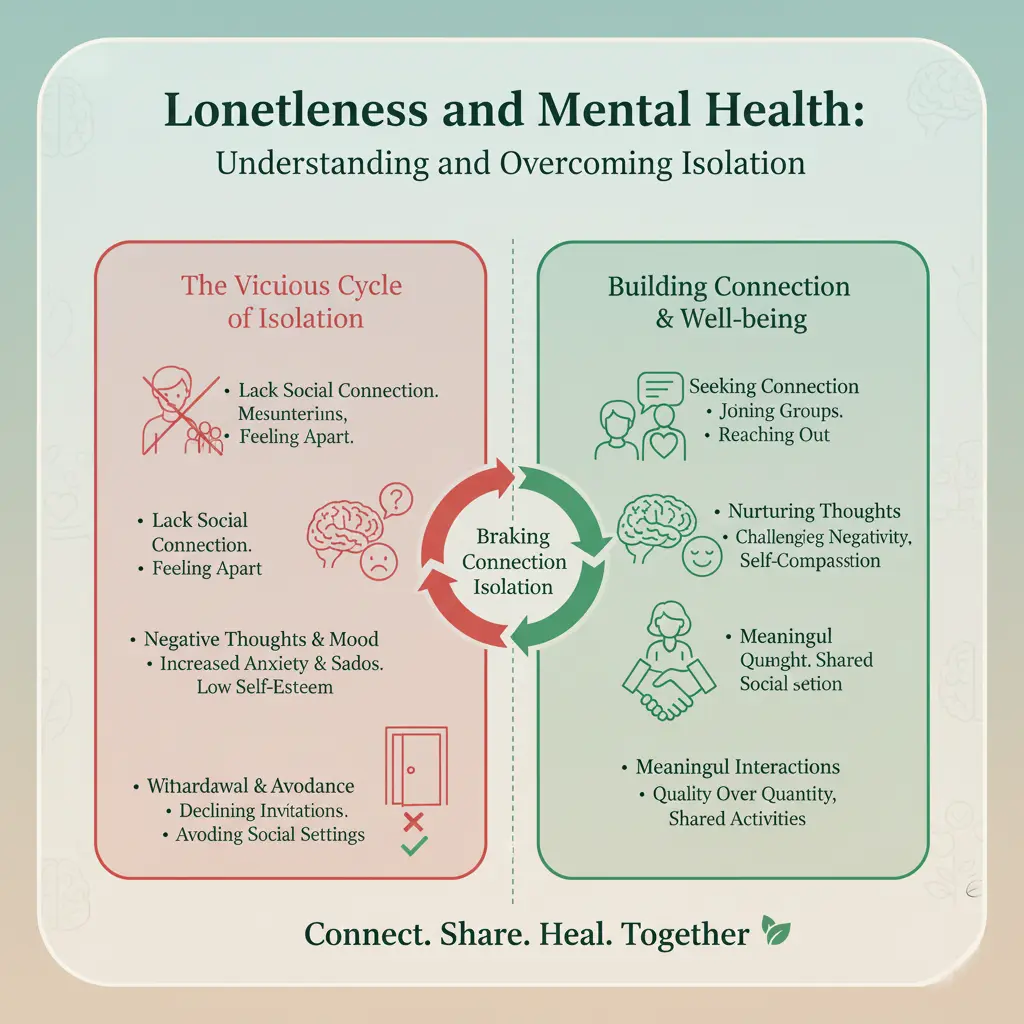
Loneliness is a universal human emotion, but when it becomes chronic, it can have a profound impact on our well-being. The connection between loneliness and mental health is significant; feeling isolated for long periods can lead to a negative spiral, making it harder to connect with others and find joy in daily life.
It is important to remember that being alone is not the same as being lonely. You can be alone and feel content, just as you can be surrounded by people and feel deeply isolated.
Who is at Risk of Loneliness?
Anyone can experience loneliness, regardless of age or background. However, certain life circumstances can increase the risk of feeling isolated. According to recent research, you may be more vulnerable if you are:
Young (aged 16–24): Surprisingly, young people often report high levels of loneliness.
Living with a Health Condition: Long-term illness or disability can limit social interaction.
Going Through Life Changes: Being widowed, becoming a single parent, or moving to a new area.
From Marginalized Communities: People from ethnic minority backgrounds or the LGBTQIA+ community often face higher risks of isolation due to discrimination or lack of understanding.
How to Cope with Loneliness
Breaking the cycle of isolation takes time, but small steps can make a big difference. Here are practical strategies for dealing with loneliness:
1. Engage Your Mind and Body
Start a Hobby: Focusing on a small, enjoyable activity—like gardening, reading, or organizing—can provide a sense of purpose.
Get Moving: Physical activity, even a short walk in the park, can boost mood-regulating chemicals in the brain.
Learn Something New: Listening to podcasts or taking an online course can stimulate your mind and distract from negative thoughts.
2. Connect in Small Ways
You don’t need to attend a big party to feel connected.
Micro-interactions: A friendly nod to a neighbor or a “thank you” to a delivery driver can help you feel part of the world.
Digital Communities: Use social media intentionally to find groups that share your specific interests or passions.
3. Seek Support
If loneliness is affecting your mental health, talking about it is a sign of strength, not weakness. Reach out to friends, family, or professional support services.
Supporting Someone Who is Lonely
If you know someone who is struggling, simple acts of kindness can be powerful.
Check-In: A text or a quick call shows you care.
Listen: Sometimes, people just need to be heard without being given advice.
Invite Them: Include them in low-pressure activities, like a coffee or a walk.
Global Resources:
Campaign to End Loneliness (UK): Research and advice on tackling loneliness.
Befrienders Worldwide: Global emotional support to prevent suicide and isolation.
Red Cross (International): Many local Red Cross chapters offer services to combat loneliness and isolation.
Mind (UK): Detailed tips for managing feelings of loneliness.