
How Does Mental Health Medication Work?
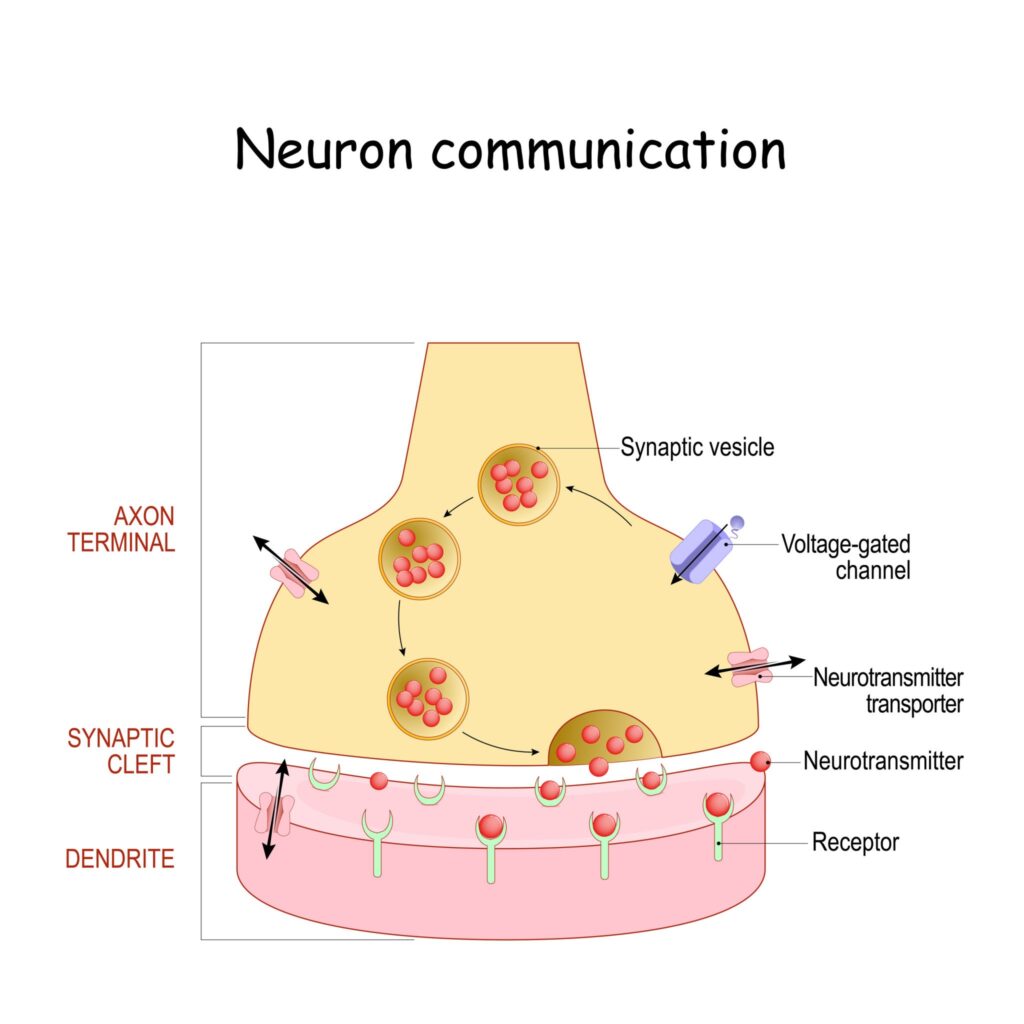
Most mental health medications work by altering the balance of chemicals in your brain called neurotransmitters. These chemicals—such as serotonin, dopamine, and norepinephrine—act as messengers between brain cells.
When these chemical signals are too weak or too strong, it can affect your mood, sleep, anxiety levels, and perception of reality. Medication aims to restore this balance.
Common Types of Psychiatric Medication
There are four main categories of medication used to treat mental illness.
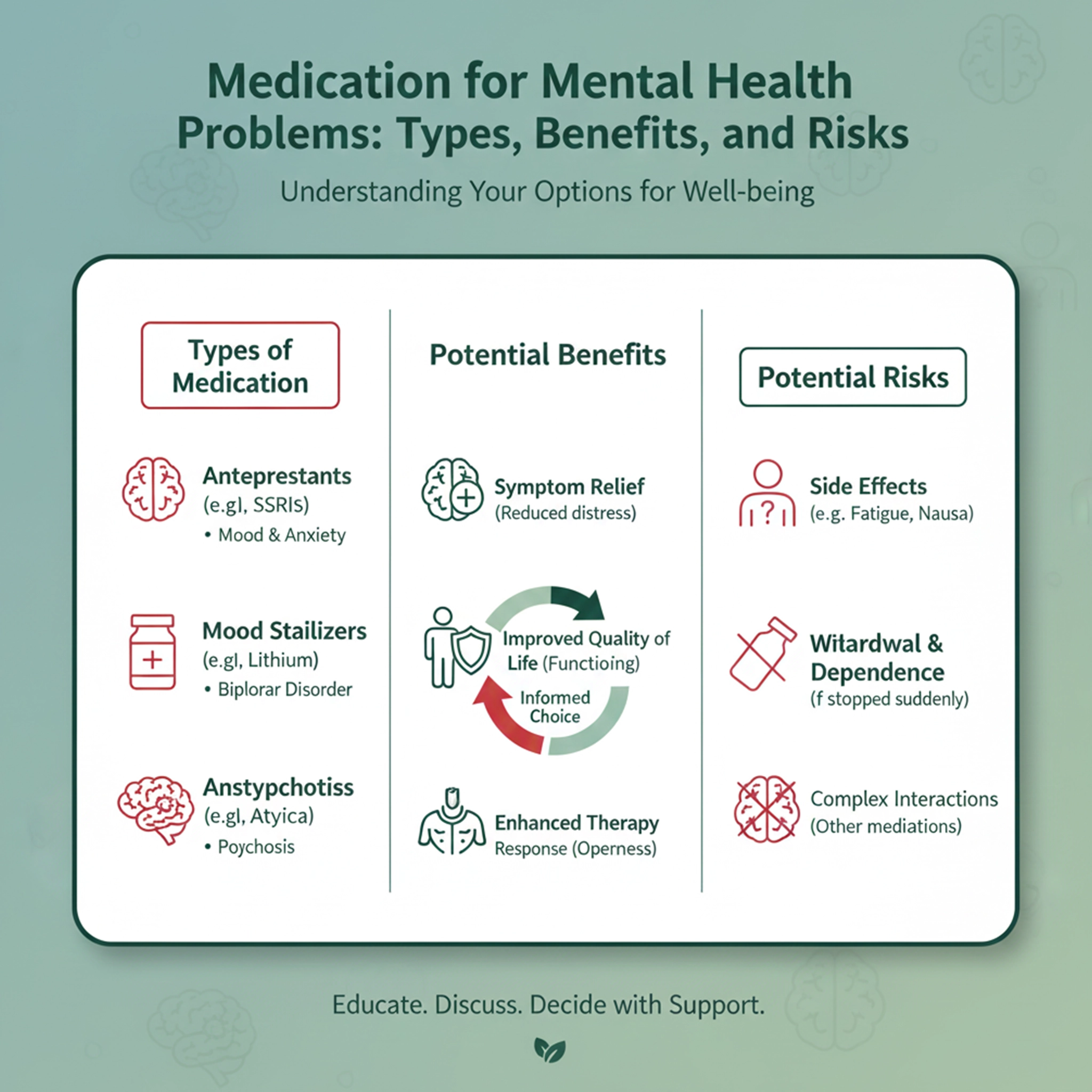
1. Antidepressants
Primarily used for treating depression, these are also commonly prescribed for anxiety, OCD, and PTSD.
How they work: They increase the levels of mood-regulating chemicals (usually serotonin) in the brain.
Common types: SSRIs (like Sertraline or Fluoxetine) and SNRIs.
Note: They are not addictive, but stopping them suddenly can cause withdrawal symptoms.
2. Antipsychotics
These are used to treat conditions involving psychosis, such as schizophrenia and bipolar disorder. They can also be used for severe anxiety or depression.
How they work: They generally block the effect of dopamine, a chemical that can cause hallucinations and delusions when overactive.
Side Effects: Can include weight gain, drowsiness, and movement disorders.
3. Mood Stabilizers
Most commonly used for bipolar disorder, these help prevent extreme highs (mania) and lows (depression).
Common types: Lithium, Valproate.
Note: Regular blood tests are often required to ensure the medication level in your body is safe.
4. Sleeping Pills and Minor Tranquillizers
These are sedatives used for severe insomnia or extreme anxiety.
Common types: Benzodiazepines (like Diazepam or Valium) and “Z-drugs.”
Warning: These are usually for short-term use (2–4 weeks) because they can be addictive and lose effectiveness over time.
Questions to Ask Your Doctor
Before starting any new medication, it is vital to have an open conversation with your primary care doctor or psychiatrist. Do not hesitate to ask:
What is this for? Understand exactly which symptoms the drug is targeting.
What are the side effects? Ask about common issues like weight gain, sexual dysfunction, or drowsiness.
How long will I need to take it? Is this for a few months or long-term?
How do I stop? Ask about the safe way to taper off if you decide to stop later.
Are there alternatives? Ask if therapy or lifestyle changes could be effective on their own or alongside medication.
Side Effects and Safety
All medications come with risks. Antidepressants side effects can range from mild nausea to increased anxiety in the first few weeks. It is crucial to monitor how you feel and report any severe or persistent changes to your doctor immediately.
Important: Never stop taking psychiatric medication abruptly. “Going cold turkey” can lead to severe withdrawal symptoms and a relapse of your condition. Always follow a doctor’s advice on how to reduce your dose slowly.