
Navigating Grief and Loss: Finding Your Way to Healing
Key Takeaways for Navigating Loss
1. Grief is non-linear and encompasses a wide range of emotions and physical symptoms.
2. The goal of healing is not to “get over” the loss, but to integrate it into your life.
3. Grief counseling online provides specialized support, often focusing on attachment and meaning-making.
4. Virtual loss support groups offer powerful validation and connection with others who understand.
Understanding the Landscape of Grief
What is Grief?
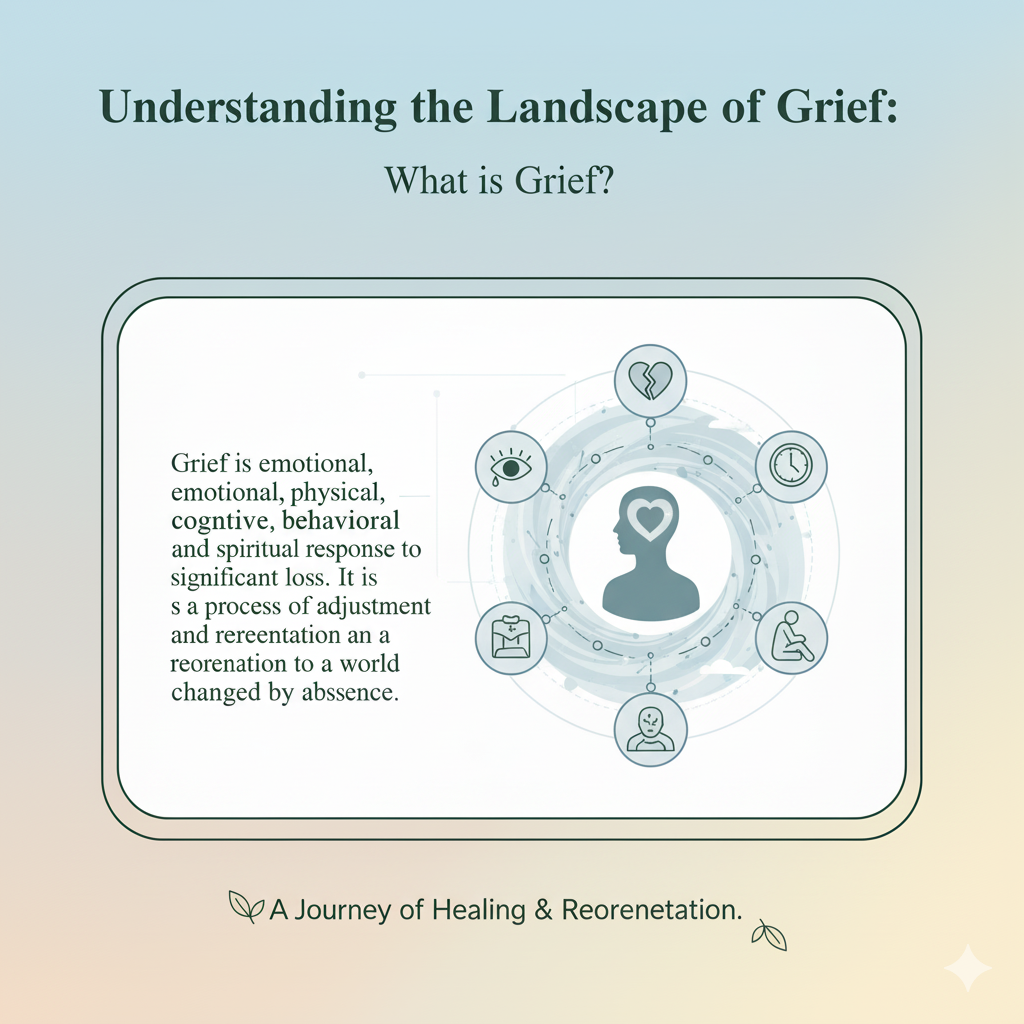
Grief is the emotional, physical, cognitive, behavioral, and spiritual response to a significant loss. It is a process of adjustment and reorientation to a world changed by absence.
The Non-Linear Nature of Grief
While you may have heard of the “stages of grief” (denial, anger, bargaining, depression, acceptance), most experts agree that grief is not a tidy, predictable progression. You may jump between these feelings or experience them simultaneously. Healing often feels like moving in a spiral—coming back to familiar feelings but from a slightly higher, more integrated vantage point each time.
Foundational Coping Mechanisms for Navigating Loss
These practices offer practical ways to manage the intensity of feelings while you begin therapy for navigating loss.
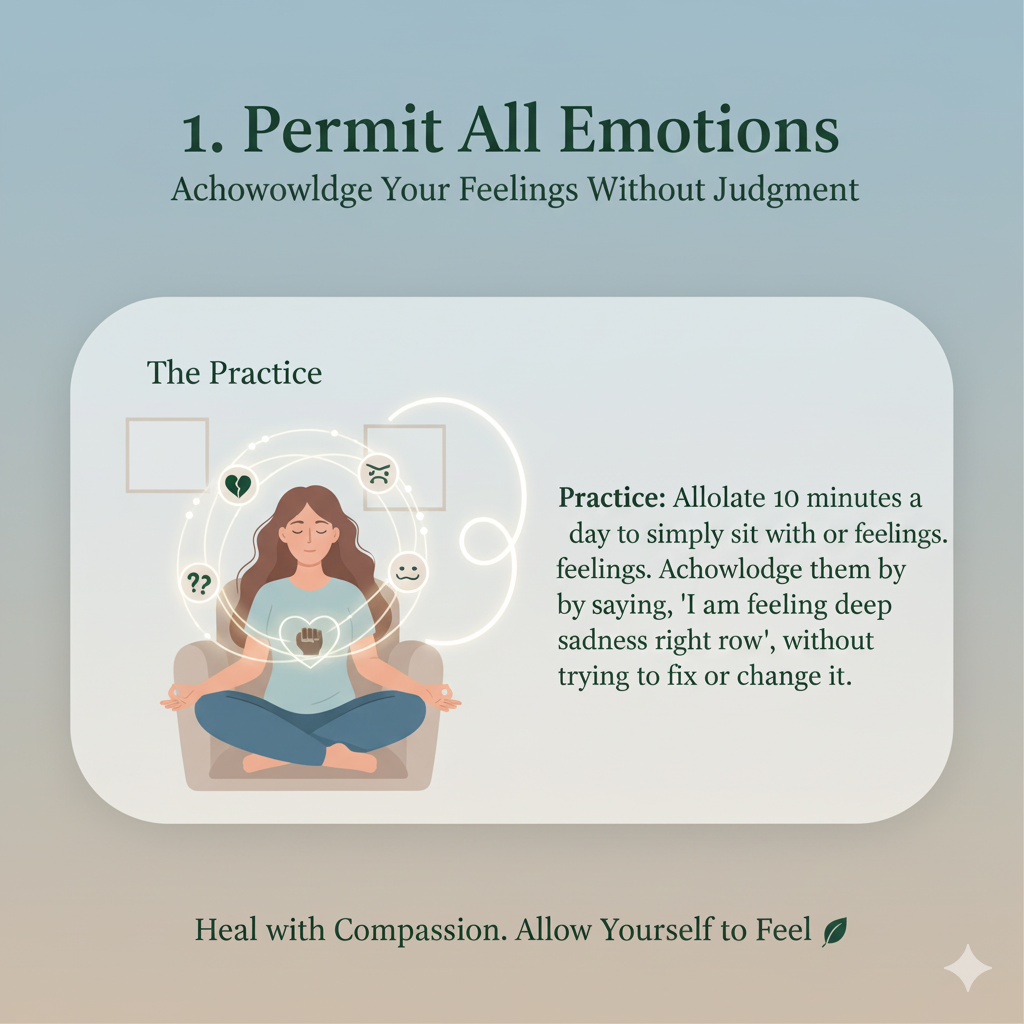
1. Permit All Emotions
Grief often includes conflicting or surprising emotions (like relief, guilt, or intense anger). Do not judge yourself for what you feel.
Practice: Allocate 10 minutes a day to simply sit with your feelings. Acknowledge them by saying, “I am feeling deep sadness right now,” without trying to fix or change it.
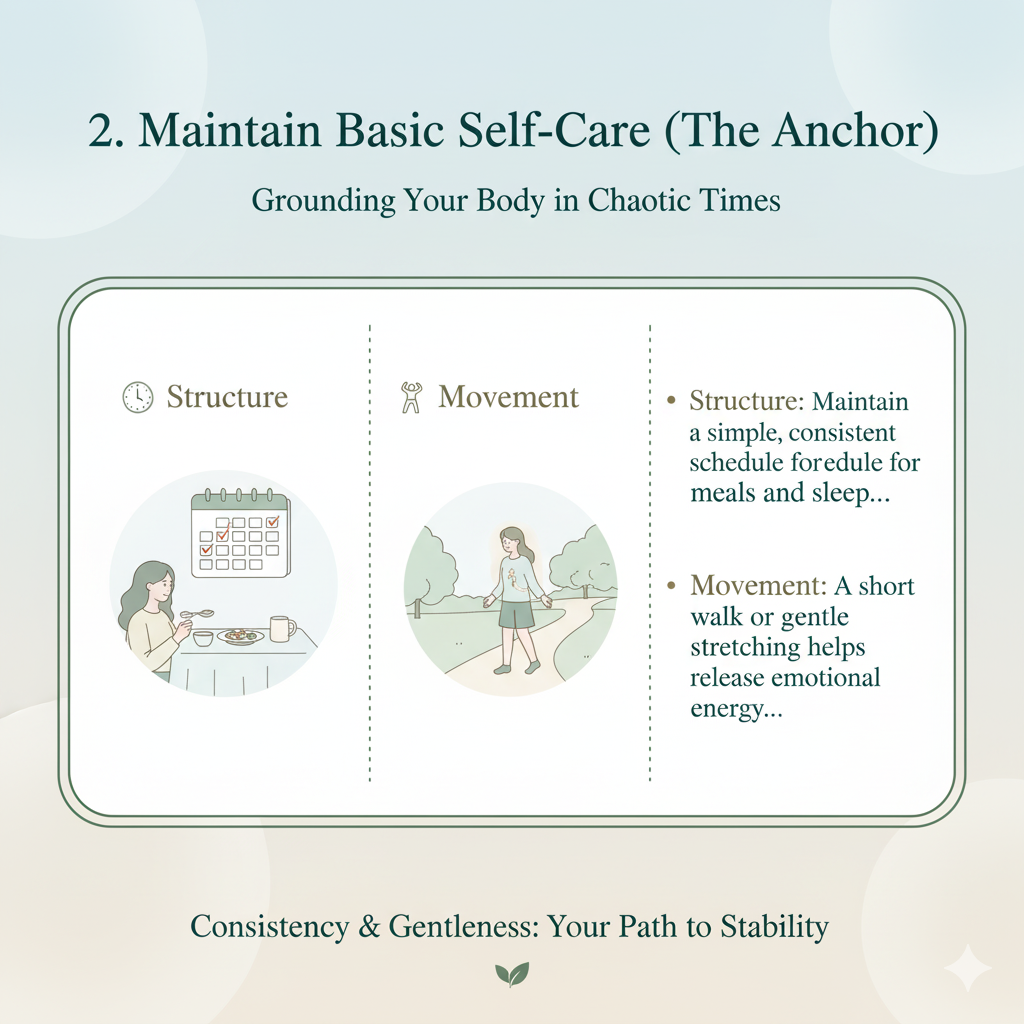
2. Maintain Basic Self-Care (The Anchor)
When life feels chaotic, grounding your body with basics is crucial.
Structure: Maintain a simple, consistent schedule for meals and sleep, even if you can only manage a few bites or fragmented rest.
Movement: A short walk or gentle stretching helps release emotional energy trapped in the body.
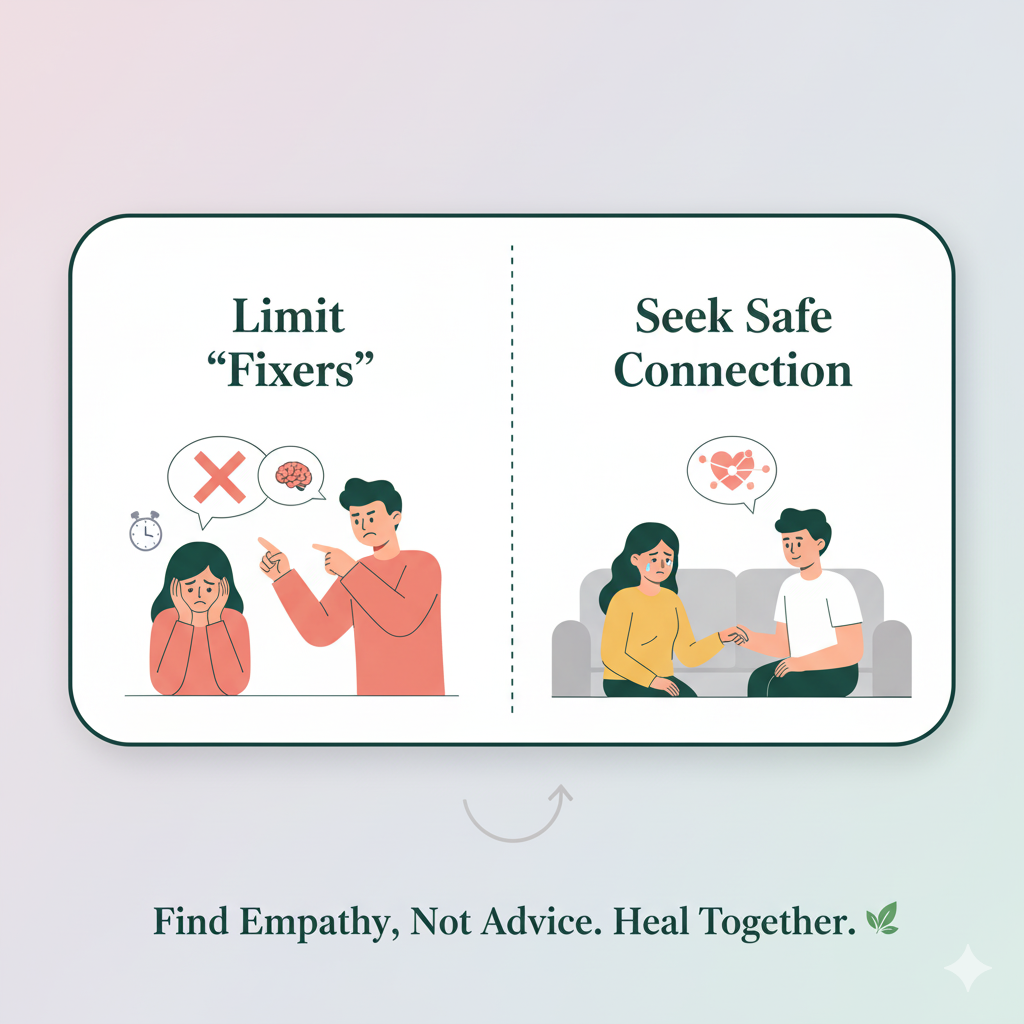
3. Seek Safe Connection
Isolation deepens grief. While you may not want to be around people, connecting with those who offer non-judgmental support is essential.
Limit “Fixers”: Gravitate toward people who are comfortable listening without offering platitudes or advice on how you should feel.
Specialized Support: Grief Counseling Online
When the intensity of grief interferes with your daily functioning for an extended period, or if you feel completely stuck, professional help is vital. Specialized grief counseling online provides focused, confidential support tailored to your unique experience.
Benefits of Grief Counseling Online
| Feature | How It Supports Healing |
|---|---|
|
Specialization |
Therapists are trained in specific models (like Meaning Reconstruction or Attachment Theory) for loss. |
|
Accessibility |
You receive support from the comfort of home, which is crucial when energy and motivation are low.
|
|
Confidentiality |
A safe, private space to express the rawest emotions and experiences without fear of judgment. |
|
Structured Process |
Provides a roadmap for therapy for navigating loss, helping you slowly re-engage with life. |
Virtual loss support groups are another highly valuable resource, offering peer-to-peer connection and the validation that comes from sharing space with others who truly “get it.”
Find Compassionate Support: Connect with a Grief Counselor Today.
When to Seek Therapy for Navigating Loss
While grief is normal, certain signs indicate the need for professional intervention to prevent it from becoming complicated or unresolved grief:
Extended Disruption: You are unable to resume basic responsibilities (work, hygiene, self-care) six months or more after the loss.
Self-Destructive Behavior: Increased reliance on substances, isolating completely, or thoughts of self-harm.
Intense Guilt: Persistent, overwhelming feelings of guilt or worthlessness related to the loss.
No Emotional Shift: You feel emotionally frozen, unable to process or feel any change in emotional state months after the event.
Choosing grief counseling online is an act of self-love and courage. It is not about forgetting the person or the event, but about creating space for the pain and learning to carry the memory forward in a way that allows you to live fully again.