

The Ultimate Guide to Setting Healthy Boundaries
Boundaries are the essential, personal rules and limits you set to protect your time, energy, and emotional well-being. They define what you are and are not comfortable with in relationships. If you frequently feel resentful, overwhelmed, or drained, you likely need stronger boundaries. This guide will walk you through the types of boundaries, how to set them, and how relationship therapy for boundaries can help you achieve deeper emotional protection and healthier connections.
Key Takeaways for Setting Boundaries
Boundaries are a core part of self-care and respect, defining personal limits in relationships.
The three main types are physical, mental/emotional, and time/energy boundaries.
Effective boundaries require clear, direct communication and consistent enforcement.
Online couples counseling and therapy for boundary issues provide the best environment for working through complex relationship patterns.

Understanding the Types of Healthy Boundaries
Boundaries are not rigid walls; they are flexible gates that determine how you interact with the world. Strengthening your boundaries means recognizing your personal needs across different domains:
Boundaries are not rigid walls; they are flexible gates that determine how you interact with the world. Strengthening your boundaries means recognizing your personal needs across different domains:
| Boundary Type | Focus | Example Statement |
|---|---|---|
|
Physical |
Personal space, touch, and body autonomy. |
“I prefer a handshake over a hug right now.”
|
|
Mental/Emotional |
Thoughts, feelings, values, and how others criticize or invalidate you. |
“I need to change the subject; I’m not comfortable talking about my weight.” |
|
Time/Energy |
Protecting your schedule, availability, and capacity for work or social interaction. |
“I can’t take on that extra task, my workload is full this week.” |
A Step-by-Step Guide to Setting Boundaries
Setting a boundary involves more than just stating a preference; it requires clarity, assertiveness, and follow-through.

Step 1: Identify Your Need (The "Why")

Step 2: Communicate Clearly and Directly (The "What")

Step 3: Be Prepared to Enforce (The "Consequence")
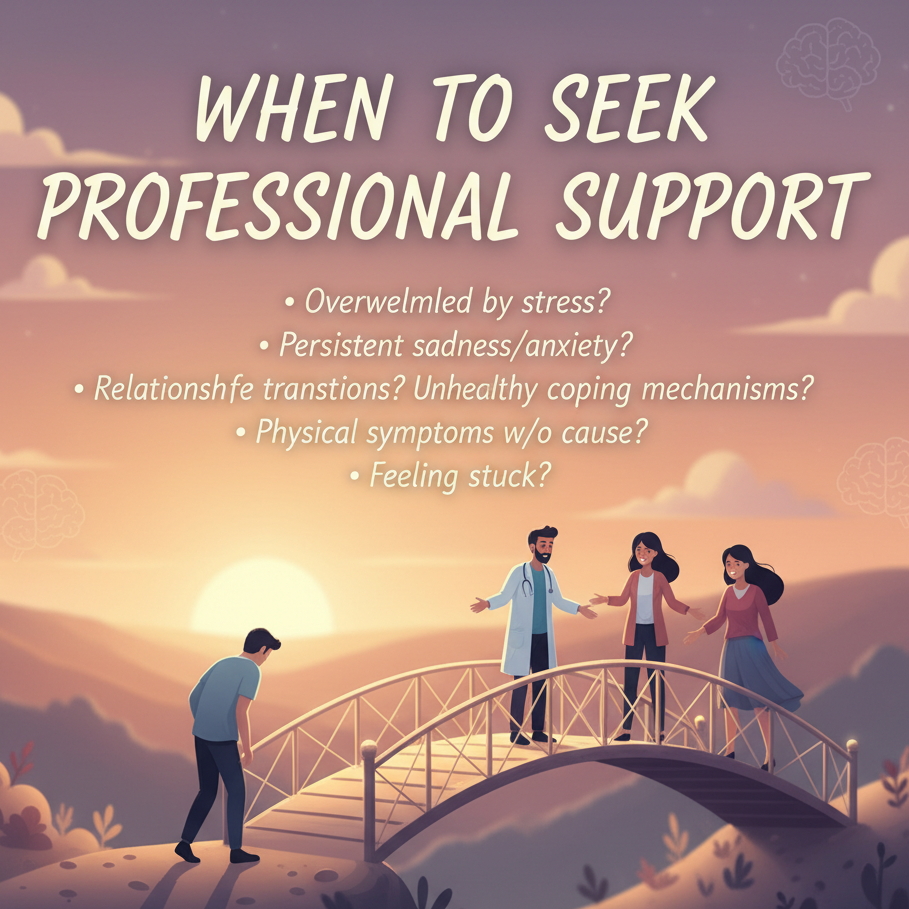
When to Seek Professional Support
While self-help strategies are valuable, setting boundaries often brings up feelings of guilt, fear of rejection, or deep-seated patterns of people-pleasing. This is where professional help becomes essential. Therapy for boundary issues provides a safe space to explore the origins of these habits and practice new, assertive communication skills.
How Relationship Therapy for Boundaries Helps
Relationship therapy for boundaries, whether through individual work or online couples counseling, can dramatically accelerate your progress:
Identify Patterns
A therapist helps you recognize inherited family or relationship patterns that taught you to violate your own needs.
Manage Conflict
In online couples counseling, a mediator guides partners through the process of respectfully establishing and accepting new boundaries.
Practice Assertiveness
They provide real-time coaching and role-playing to help you feel confident and less guilty when stating your limits.
Choosing Online Couples Counseling
If boundary issues are causing strain, tension, or chronic conflict with a partner, online couples counseling is a proactive and highly effective step.
| Benefit of Online Couples Counseling | Impact on Boundary Work |
| Neutral Setting | A licensed therapist ensures both partners feel heard and understood without taking sides. |
| Accessibility | Overcome common scheduling conflicts by meeting virtually from separate locations if needed. |
| Focused Skill Building | Learn specific communication tools (like mirroring and validation) essential for respecting established limits. |
Mastering the art of setting and keeping boundaries is the highest form of self-respect. Whether through therapy for boundary issues or dedicated self-practice, you are taking a crucial step toward healthier relationships and a more balanced life.